
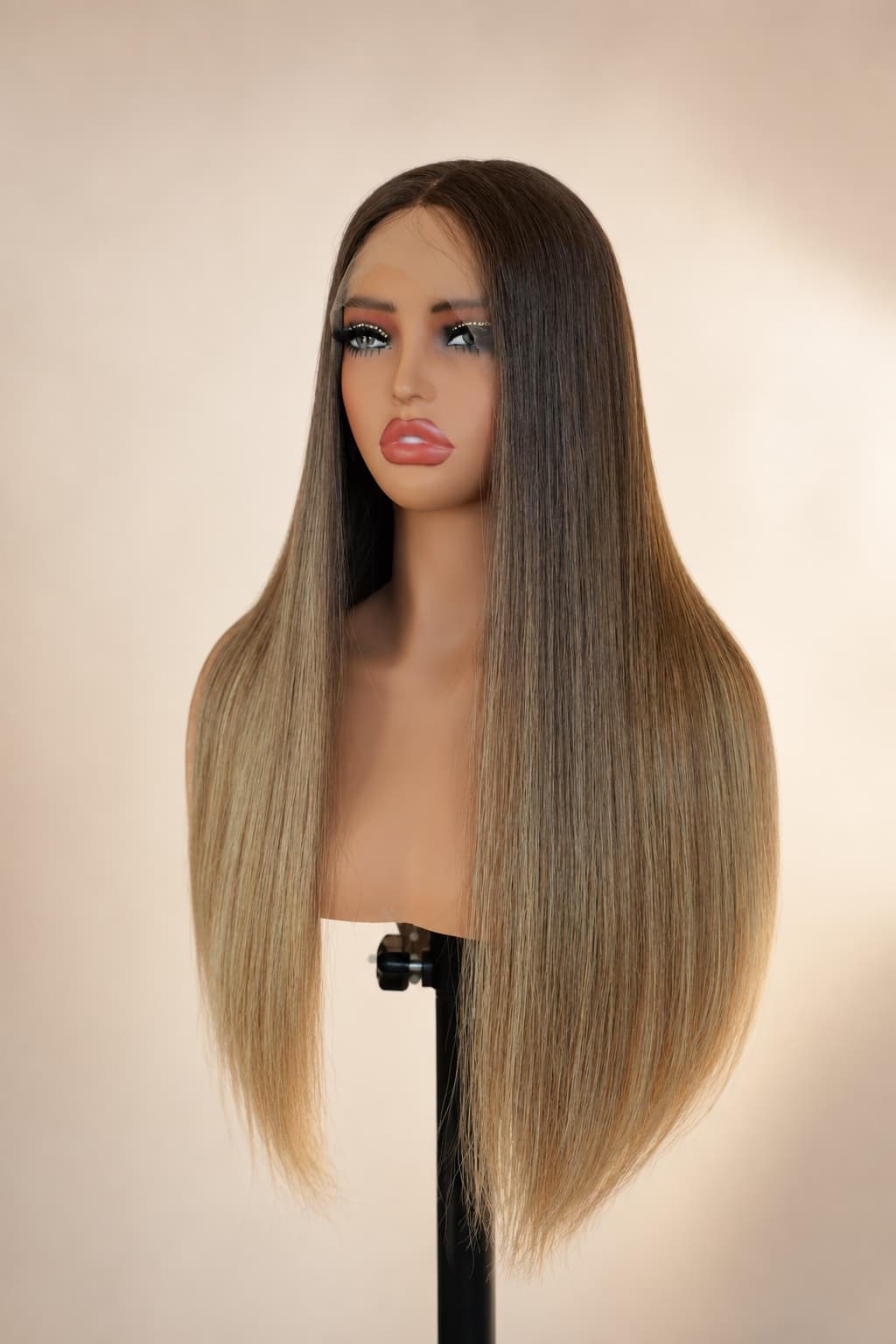
Wholesale human hair wigs should be compared as a product program, not as isolated images. A salon, distributor or private-label brand needs a range that its team can identify, explain, sample and reorder with confidence.
The right starting point is the intended customer and service model. A salon may need product information that supports consultation and fitting. A distributor may need a clear range, product naming and pack presentation for reseller partners. Review the current human hair wigs collection before preparing a sample or quotation request.
Begin with the buyer’s customer and selling model
Define who the collection is for and how it will be offered. Is the buyer building a salon consultation range, a professional resale assortment or a private-label wig collection? This decision guides the number of product variations, the information required on packaging and the way the range will be replenished.
Do not begin by claiming a product is the “best” wig. A better question is whether the construction, appearance, product information and reorder process fit the buyer’s actual market.
Compare cap construction by the information a buyer can verify
Cap construction affects the questions a buyer should ask, but a product name is not enough to answer them. For each candidate SKU, request the specific cap construction, size or adjustment information, hair direction, front treatment and product reference available for review.
The current collection includes products such as HD Lace Top Wigs, Lace Front Wigs, HD Full Lace Wigs and Custom Wigs. These product pages provide a suitable starting point for a category discussion. Confirm the exact specifications for the SKU and project before making product claims in a buyer-facing range.
Turn appearance requirements into a written product brief
Get a QuoteA commercial wig brief should make the buyer’s requirements easier to review. It may include:
- The intended customer and sales channel.
- Hair type, texture direction, colour reference and length range.
- Cap construction and relevant size or adjustment questions.
- Hair direction, density reference and front treatment where applicable.
- Product name, SKU and packaging requirements.
- The sample and repeat-order reference to be retained.
This does not mean every option is available for every item. It gives the buyer and supplier a shared structure for identifying the actual options that are available.
Use samples to evaluate the product and the range
A sample should help a buyer judge both the individual product and the way it fits into a range. Review the sample against the written brief. Ask whether the cap construction, colour reference, product identification and packaging presentation are clear enough for the intended sales team.
For a salon program, the team may need clear consultation information and a repeatable way to record the selected item. For a distributor, the team may need product codes, colour names and packaging that help partners distinguish one SKU from another. These are different operational needs, even when the hair product looks similar.
Avoid turning one sample into a universal claim
One approved sample is an important reference, but it does not justify universal promises about appearance, comfort, longevity or customer results. Keep the article and product materials focused on the specifications that were actually reviewed.
Do not make medical claims or suggest that a wig treats hair loss or scalp conditions. When a product is intended for a specialist market, confirm the applicable product information and market requirements separately.
Plan a focused range before expanding it
A focused opening range is usually easier to train, stock and reorder than a large group of loosely defined products. Choose product variations that have a clear role in the buyer’s service model. Then ensure the product name, colour reference, cap information and packaging can be understood without relying on one person’s memory.
For a private-label program, connect product planning with the B2B services discussion. Packaging, labels and colour-ring materials should support the same product-identification system used for the sample and order record.
Create a repeat-order record before launch
Get a QuoteStore the approved product code, cap construction reference, colour reference, hair direction notes, packaging version and sample reference. When a buyer requests a material change, create a new version rather than treating it as a routine reorder.
The record does not need to be complicated. It needs to let the purchasing, sales and service teams identify what was approved and what has changed.
Use the same brief when comparing quotations
Quotations are only comparable when suppliers are responding to the same written requirements. If one quote describes a general “human hair wig” and another describes a defined cap, hair and packaging reference, the two lines do not represent the same decision.
Share one brief with each supplier. Ask them to identify which details are confirmed, which are unavailable and which need sample approval. This makes it easier to compare the commercial proposal without relying only on a headline price.
FAQ
What should a salon or distributor confirm before selecting a wholesale wig range?
Confirm the target customer, selling model, cap construction questions, hair reference, SKU system, packaging needs and sample process.
Is a product image enough to compare wholesale wigs?
No. Review the applicable product information, cap construction reference, sample and product identification for the exact SKU.
How should a buyer prepare for repeat orders?
Keep the approved product code, construction and colour references, packaging version and sample record. Treat material changes as a new version.
Conclusion
The most useful wholesale wig range is one the buyer can explain, sample and reorder clearly. Share your target customer, preferred construction and range requirements with WinningWigs to prepare a more focused B2B sourcing discussion.
LET'S TALK ABOUT YOUR PROGRAM
Ready to turn product questions into a clearer brief?
Share your target customer, product category and requirements. Our team will help structure the next sample or quotation conversation.