
Introduction: the useful answer is a quote breakdown, not one universal number
People asking “How much do professional hair extension services cost?” usually need more than a broad online range. They want to know what they will pay at the appointment, what will happen later, and whether two apparently similar quotes actually cover the same product application. A professional extension service is a package of decisions: consultation, hair selection, installation preparation, fitting time, blending, home-care guidance, maintenance and, eventually, removal or reinstallation.
There is no single price that is reliable across countries, cities, salons or methods. Published consumer guides illustrate the spread rather than establish a universal rate. For example, a current U.S. guide from Perfect Locks lists tape-in hair plus professional installation as a combined planning range, while also noting that the exact figure varies with hair quality, length, density and salon location. Read the guide. Treat any online figure as a starting point for questions, not as a promise from a salon, stylist or supplier.
This guide is designed for clients comparing professional services and for salon or retail buyers who need to explain value clearly. It does not set prices for WinningWigs products or professional services. Instead, it shows how to request an itemised quote, compare methods fairly and identify the product and service information that should be confirmed before money changes hands.
Start by separating the costs that a quote may combine
The word “extensions” can describe a ready-to-wear clip-in set, a salon-installed tape-in service, a hand-tied or Genius Weft installation, an individual-bond method, or a custom integration service. Those are not interchangeable appointments. Before comparing totals, ask a salon to identify which of the following are included.
| Quote component | What to clarify | Why it changes the total |
|---|---|---|
| Consultation | Is it complimentary, paid, or credited against the service? | A thorough consultation may include hair/scalp review, shade planning and a method recommendation. |
| Extension hair | Brand, hair type, length, shades, amount and pack scope | More length, density, colour work and multiple packs can change product cost. |
| Installation | Method, appointment duration and included finishing work | Different attachments require different preparation, placement and removal skills. |
| Colour and blending | Whether cutting, toning, colouring or styling is included | A quote can look lower when these services are priced separately. |
| Maintenance | Timing, scope and service fee for each return visit | The first appointment is not the entire ownership cost. |
| Removal or reinstallation | Whether it is included and how it is performed | Safe removal is a separate professional task for many methods. |
Ask for the quote in writing and ask whether tax, gratuity, deposit, travel, late-cancellation terms and replacement attachments are separate. This is not distrust; it is the simplest way to compare like with like.
Why professional hair extension service costs vary
Get a Quote1. The desired result determines the hair requirement
Adding modest volume to fine hair and creating a long, high-density transformation are different product applications. A stylist may need a different number of pieces, rows, wefts or bonds. Length, texture, shade variation, root colour, wave pattern and the client’s existing hair all affect the amount of hair and preparation required.
An informed consultation should begin with the client’s goal, existing hair condition, daily routine and budget for follow-up visits. A responsible professional should not decide the method from a photograph alone. If a client has pain, irritation, breakage concerns or a medical hair/scalp condition, a salon quote is not a diagnosis; the client should seek appropriate clinical advice before proceeding.
2. Method affects appointment scope, not only the hair price
Clip-ins are generally fitted and removed by the wearer, while tape-ins, sewn/weft systems, micro-link systems and bonded methods can require professional sectioning, placement and removal. The relevant question is not “Which method is cheapest?” but “Which method suits this client’s hair, desired wear pattern and willingness to return for maintenance?”
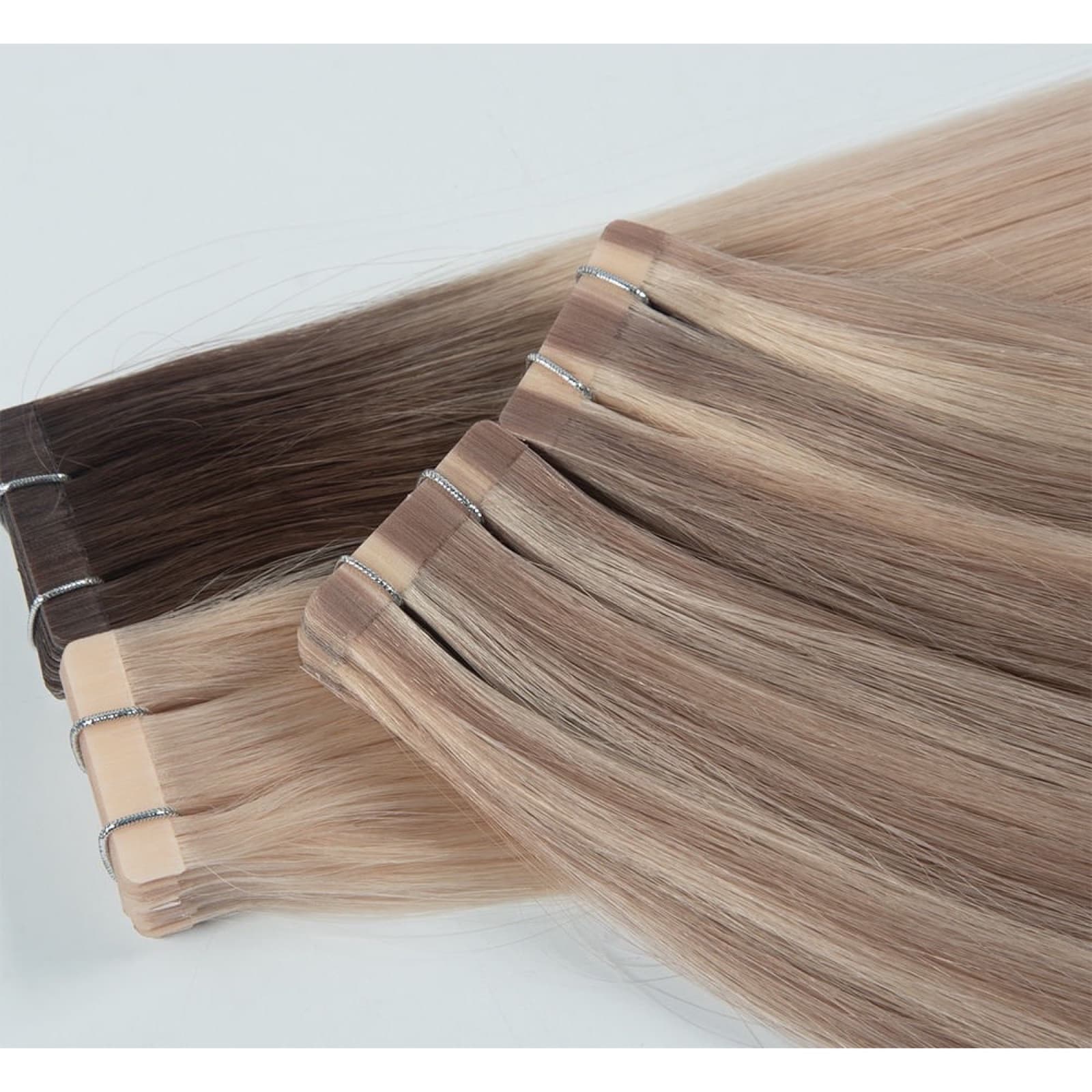
For example, a quote for tape-ins should say whether it includes the adhesive tabs, placement, trimming, removal and a later reapplication appointment. A quote for a weft service should say how the foundation is formed, whether the hair is reusable under the salon’s stated conditions, and what the maintenance visit includes. Do not assume that one method lasts longer, costs less over time or is safer for every wearer.
3. Location and professional expertise affect labour charges
Local operating costs, stylist training, appointment duration and demand affect salon pricing. A specialist may spend meaningful consultation time on shade matching, sectioning and installation preparation. That does not automatically make a quote good value, but it helps explain why a comparison based only on the price of hair is incomplete.
When comparing salons, ask what experience is relevant to the selected method, whether the person performing removal is the person who installed the hair, and how the salon documents the agreed plan. A useful answer is specific about the method and service scope, not a generic claim of being “certified” or “the best.”
4. Maintenance is part of the buying decision
Many disappointing cost experiences arise when the initial appointment is treated as the whole purchase. Maintenance can include checking attachment points, removing and reinstalling extensions where relevant, refreshing the blend, replacing consumables and reviewing home care. The timing and scope depend on the method, natural-hair growth, client routine and the salon’s policy.
Ask before booking: “When should I return?”, “What is included in that appointment?”, “What could create an additional charge?”, and “What happens if I need removal earlier than planned?” A provider should give a method-specific answer rather than a vague lifetime promise.
A practical way to compare professional quotes
Use the same brief for every consultation. This keeps the discussion focused on the client requirement rather than a headline price.
Step 1: describe the desired outcome
State whether the goal is volume, length, colour dimension, coverage or a temporary event look. Add the preferred length range, natural-hair texture, colour reference, lifestyle considerations and whether the wearer is willing to attend maintenance appointments. This information helps the professional rule out a method that is unsuitable for the application.
Step 2: request an itemised service scope
Ask the salon to list the hair, installation, blend/finish, maintenance plan, removal, taxes and policy-dependent charges separately. If the salon sells a package, ask for the same breakdown within the package. An itemised scope makes it possible to see whether the lower quote excludes removal, colour work or the amount of hair needed to achieve the stated result.
Step 3: compare the first appointment and the expected follow-up plan
Do not calculate a multi-year “cost of ownership” from a generic online schedule. Instead, ask each provider for their own planned return intervals and service inclusions. Record them alongside the first-appointment quote. This is especially important when comparing reusable-hair claims, because the condition of hair after wear depends on use, care, chemical processing, installation and removal practices.
Step 4: confirm product identification and aftercare
The salon should be able to identify what it is installing: method, hair type as represented by the supplier, length, shade, texture and pack quantity. The client should receive aftercare instructions that match the selected attachment method. If the product is being sourced for a salon group, keep the approved sample, written specification and shade reference together. This creates a useful record for reorders and helps avoid treating a later variation as a mystery.
What a transparent professional quote should make clear
A fair quote does not have to be the lowest quote. It should, however, make the decision understandable. The client should be able to see the recommendation, what they will receive at the first appointment, what they may need to book later and which costs are still conditional. That clarity is especially important when the consultation changes the original plan because the chosen shade, amount of hair or attachment method is not suitable.
The recommendation
The quote should name the proposed method and connect it to the stated goal. “More volume,” “special occasion,” “long-term wear” and “coverage” are not the same objective. If a professional recommends fewer extensions, a different construction or no installation, the reason should be explained in terms the client can understand. The decision should not rely on pressure to accept the most expensive package.
The product scope
Where a salon supplies the hair, the estimate should state enough detail to identify it later: the quoted length range, texture, shade approach, quantity or pack configuration and whether the hair is being altered with colour work. A client does not need a factory purchasing document, but they should not be left unable to identify what was included. For a retailer, the same discipline reduces errors when a later customer question concerns the quoted product rather than the labour service.
The service boundaries
Professional language should distinguish included work from possible additions. For instance, a consultation may lead to extra colour preparation, additional hair, a longer appointment or a different maintenance plan. Those are not inherently unreasonable changes, but they should be discussed before they are performed. Ask whether the estimate is a fixed package, a starting price, or a range that will be confirmed after the in-person assessment.
The next decision point
The best consultation usually ends with a practical next step: book the service, review an updated estimate, perform a shade check, order product after approval, or decide not to proceed. The client should know any deposit terms and what happens if the final recommendation differs from the first conversation. In a B2B setting, this same step is the moment to confirm a sample, record the approved specification and avoid placing a bulk order from an incomplete brief.
What a salon, retailer or B2B buyer can control
Get a QuoteProfessional service prices belong to the salon or stylist. A product supplier should not present a factory price as the likely consumer service total. What a B2B buyer can control is the clarity of the product program: which hair construction is offered, what a pack contains, how colours are referenced, what sample is approved, and what the salon team must know to make a responsible recommendation.
For a retail or salon program, a product brief should capture:
- Intended extension method and target client application
- Hair type, texture, lengths, shade range and root/colour direction
- Pack configuration and the units needed for a disclosed service outcome
- Product identification, care guidance and any attachment-specific handling notes
- Customer requirements for packaging, labels and product information
- A sample-approval record before bulk ordering
Factory testing and shipment inspection can support consistent product identification, colour review and packing checks against an approved brief. They do **not** validate a specific stylist’s installation skill, determine a local salon’s service price or guarantee a wearer’s result. Keeping that boundary clear makes consumer communication more trustworthy.
Questions clients should ask before accepting a price
- What method are you recommending, and why does it suit my stated goal?
- What exactly is included in the first appointment?
- What hair product, length, shade plan and quantity are included?
- Is cutting, blending, colouring, styling, removal or reinstallation priced separately?
- What maintenance appointment do you recommend, and what does it include?
- What should I do if the installation feels painful, uncomfortable or unsuitable?
- What are the cancellation, deposit, adjustment and product-purchase terms?
- Can I receive the service plan and total estimate in writing before the appointment?
These questions do not turn a consultation into a negotiation. They make the client’s consent more informed and make it easier for the professional to recommend the right scope.
Common comparison mistakes
Treating the hair cost as the full service cost
Hair is only one line in a professional service. Labour, preparation, colour work, finishing, maintenance and removal can be separate. Conversely, a package quote may include items a client does not need. Ask what is included before deciding that one offer is cheaper.
Comparing an at-home product with a salon service
An online clip-in set and a professionally installed extension system fulfil different use cases. Comparing their totals without identifying the application can create misleading expectations about wear time, fitting and maintenance.
Ignoring follow-up appointments
If a client cannot commit to the recommended maintenance plan, the professional should discuss a different method or postpone the service. A lower initial price does not solve a mismatch between the method and the wearer’s routine.
Using an undefined “premium” claim as evidence
Terms such as premium, luxury and professional do not explain a quote. Useful evidence is a clear product description, an identified service scope, a method-specific care plan and a written explanation of what is and is not included.
FAQ
How much do professional hair extension services cost?
Costs vary too widely for one dependable number. The total can include the hair, consultation, installation, finishing work, maintenance and removal. Request a written, itemised quote from the local professional who will perform the service. Online ranges can help form questions, but they are not a binding local price.
Is the hair included in a professional extension quote?
Sometimes, but not always. Ask for the hair and labour to be identified separately even if the salon sells one package. Confirm the hair type as represented, length, shade plan, quantity and any colour or cutting work included.
Why is one extension quote much higher than another?
The two offers may have different hair amounts, lengths, methods, appointment time, finishing work, follow-up services or local labour costs. Compare scope, not just totals.
Are maintenance appointments included?
That is a salon-specific policy. Ask the provider when maintenance is recommended, what is included and whether removal or reinstallation is a separate service.
Can a wholesale supplier tell me what my salon service should cost?
A supplier can help a professional buyer clarify product specifications and sample requirements. A supplier cannot responsibly set a salon’s local labour, tax, booking policy or consumer service charge.
Conclusion: compare a service plan, not a headline figure
Professional hair extension services cost more or less depending on what is actually being provided. The most reliable path is a method-specific consultation, a written itemised scope and a maintenance plan that matches the client’s lifestyle. For salon owners and retail buyers, the parallel task is to keep product specifications, approved samples and customer-facing information clear enough that service teams can quote and recommend responsibly.
LET'S TALK ABOUT YOUR PROGRAM
Ready to turn product questions into a clearer brief?
Share your target customer, product category and requirements. Our team will help structure the next sample or quotation conversation.