Introduction: extensions are not automatically harmful, but the way they are selected and worn matters
People searching “are hair extensions bad for your hair,” “are hair extensions damaging,” or “can hair extensions damage your hair” are usually not looking for a slogan. They want to know whether they can add length, volume or colour dimension without creating avoidable stress on their natural hair and scalp.
There is no universal yes-or-no answer. An extension product is not inherently good or bad for every person. Risk depends on the method, the amount of added hair, the distribution of weight, the installation preparation, the condition of the natural hair, the wearer’s routine and how quickly discomfort is addressed. Tight or repeatedly tensioning styles can contribute to traction alopecia, a form of hair loss associated with repeated pulling; the American Academy of Dermatology advises that a style which is painful is too tight and should be changed or loosened. American Academy of Dermatology guidance
This guide is educational, not a diagnosis or medical treatment plan. If you have scalp pain, persistent itching, redness, crusting, broken hair, thinning or a receding hairline, stop the tensioning style and consult a qualified dermatologist or other appropriate health professional. The goal is not to discourage every extension method. It is to help buyers, salon professionals and product teams make a better product-application decision before installation.
Are hair extensions good for your hair?
Hair extensions do not improve the health of growing scalp hair in a medical sense. They can, however, support a cosmetic goal: temporary volume, length, a different colour effect or a style that helps a person feel more confident. Whether that experience remains positive depends on whether the extension method is appropriate for the individual and applied without excessive tension.
The useful question is therefore not “are hair extensions good for your hair?” but “is this product, placement and maintenance plan suitable for my current hair and scalp?” A temporary clip-in set used occasionally has a different use profile from tape-ins maintained through repeated appointments, a sew-in weave, keratin bonds or a weft installation. A product description alone cannot answer that question.
For a salon or professional buyer, this distinction is important. A responsible consultation should not promise that a method is harmless for every client. It should ask about the intended result, current hair condition, chemical-processing history, everyday styling habits, comfort expectations and willingness to follow a maintenance plan.
Why hair extensions can become damaging
Get a QuoteExtensions may increase risk when the natural hair or scalp is subjected to ongoing pull, excessive added weight, poor placement, rough removal or unsuitable care. The risk is not confined to one hair texture, ethnicity or extension category. It is related to the forces placed on the hair and scalp over time.
Tension and placement
Repeated tension is a central concern. A style may feel tight immediately, cause headache or scalp tenderness, pull at the hairline, create small raised sections of scalp, or become uncomfortable when brushing or sleeping. These are not signs to “get used to.” The AAD notes that continuing tension can contribute to traction alopecia and recommends changing a hairstyle if it causes pain or irritation. AAD: hairstyles that pull
Placement also matters. An attachment installed too close to the hairline, on a weak area, or with uneven distribution can concentrate stress. A professional should be able to explain why a placement plan is being recommended and revise it if the wearer experiences pain.
Added weight and unsuitable quantity
More hair is not automatically a better result. Added length, density and pack quantity affect weight. A dramatic change in length or volume may require a different plan than subtle volume. Buyers should ask for a product application discussion rather than assuming that one “full head” set suits every natural-hair density.
For brands and salons, product selection should separate the visual goal from the product quantity. Confirm what one pack includes, the intended area of application, the selected length and how the load will be distributed. This is more useful than a broad “thick hair” promise.
Installation and removal practices
Installation preparation is not an optional extra. Natural hair should be assessed by a qualified professional when there are concerns about fragility, breakage, scalp symptoms or prior chemical processing. The installer should follow the product-specific instructions, avoid unnecessary pull and explain the maintenance plan before the appointment begins.
Removal is equally important. Do not pull, cut or force an attachment off without following the correct process for that construction. Tape-in products, bonds, wefts and clips use different attachment systems. A buyer who does not understand the removal plan should ask before purchase, not after the product is installed.
Heat, chemical processing and repeated styling
Heat, bleaching, relaxing, colouring and rough handling can affect both natural hair and extensions. These factors may combine with tension rather than act alone. A person who has recently processed hair or is already experiencing breakage should not rely on a generic online recommendation. A qualified professional can help assess whether a lower-tension, temporary option or a pause from extensions is more appropriate.
Compare extension methods by use case, not marketing labels
Different methods create different practical questions. There is no single “safest” method for every user.
| Method | Typical use case | Questions to ask before selection |
|---|---|---|
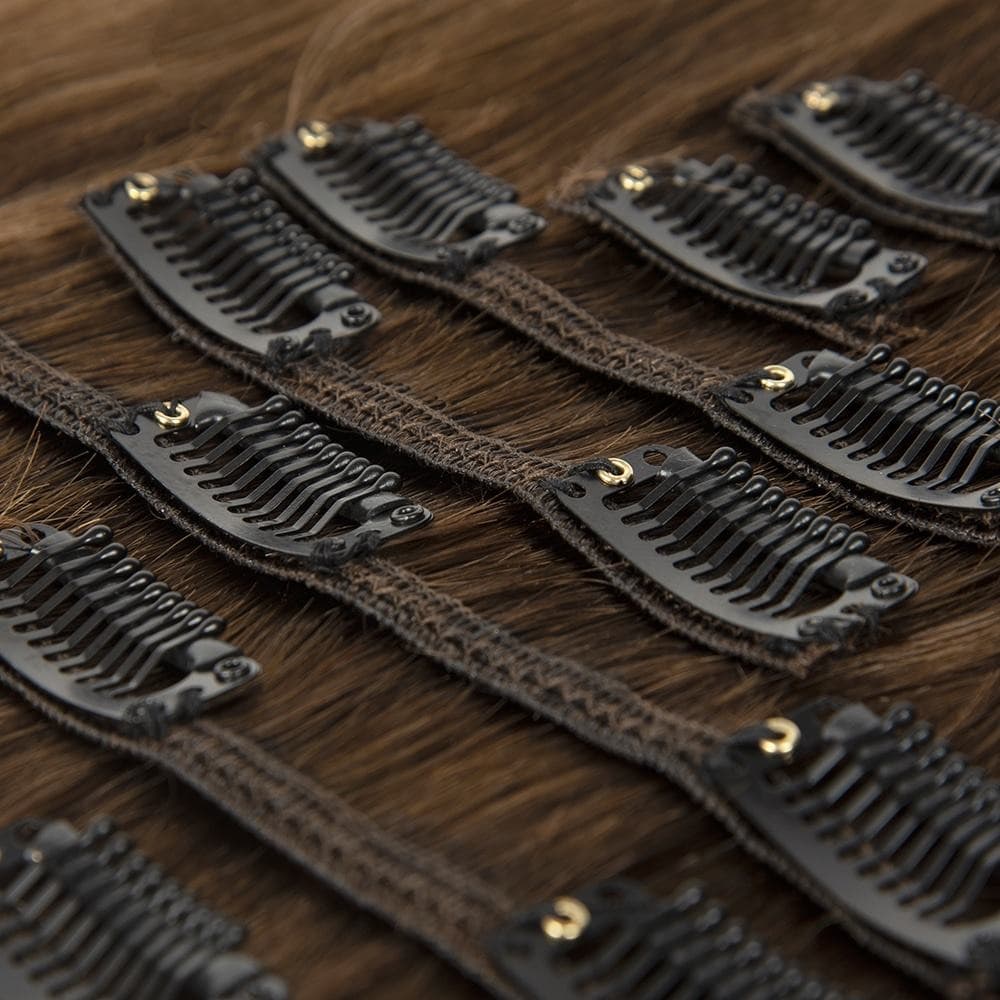
| Clip-ins | Temporary volume, events or occasional styling | Can the clips be placed comfortably? Is the wearer able to remove and store them correctly? |
| Tape-ins | Professional application with planned maintenance | What is the tab construction, placement plan, maintenance and removal process? |
| Wefts | Salon application with a method selected by the installer | How will the weft be attached, distributed and maintained? |
| Bonded or tip extensions | Longer-wear professional method | What is the application plan, removal method and appropriate follow-up schedule? |
The table is not medical advice and does not decide suitability. It helps a buyer ask the right questions. A good provider should explain product construction, selected length, texture, colour reference, pack contents, installation preparation and aftercare without claiming one method eliminates all risk.
A practical consultation checklist before installation
Whether the consultation is in person, by video or through a professional product brief, it should cover more than a desired photograph. Bring current, unfiltered pictures in natural light and explain your actual routine.
Ask the professional or provider:
- What result is realistic for my starting length and density?
- Which product construction and attachment method is being suggested, and why?
- What length, pack quantity and placement plan are proposed?
- Which parts of the outcome depend on the installer, natural hair and home care?
- What discomfort should lead me to contact the stylist or remove the style?
- How should the product be washed, brushed, dried and stored?
- Who should remove or maintain it, and how often should the plan be reviewed?
If the advice is simply “this is our best seller,” the buyer does not yet have enough information. A more trustworthy recommendation identifies the exact product and acknowledges what cannot be confirmed from a remote image.
Daily wear: warning signs to take seriously
Get a QuoteComfort is a meaningful signal. A hairstyle that hurts, feels excessively tight, causes headaches or produces scalp tenderness should be reassessed promptly. The AAD also lists pain, stinging, crusts, tenting of the scalp and early hair-loss changes as reasons to change a tensioning style and seek professional advice when needed. AAD guidance
Do not ignore these signs because the installation was expensive or because the product is new. A professional plan should allow for adjustment. If discomfort begins after a few days, contact the installer rather than trying to force the hair into a more comfortable position yourself.
Visible breakage, a receding hairline, patches of thinning or persistent scalp symptoms deserve medical attention. Hair loss can have several causes; an extension method may not be the only explanation. A dermatologist can assess the pattern and recommend an appropriate next step.
Care and maintenance that reduce avoidable stress
Care requirements vary by extension construction, so product-specific instructions should come first. These general principles are not a substitute for those instructions:
- Avoid forceful brushing and detangle from the ends upward.
- Keep tension low; do not add tight ponytails, buns or braids over an already tensioned installation.
- Use heat cautiously and follow the product and stylist guidance.
- Do not use a method continuously without reassessing comfort and natural-hair condition.
- Follow the advised maintenance and removal process for the exact construction.
- Keep a record of the product reference, colour, length and installation method if you expect to reorder or repeat the service.
For professional buyers, clear customer instructions are part of responsible product application. A care card should explain the product’s intended use, maintenance boundaries and when to seek a stylist or healthcare professional. It should not make unsupported promises such as “zero damage,” “no shedding,” or “suitable for everyone.”
What product suppliers can and cannot verify
Factory testing, finished-product review and shipment inspection can be useful B2B controls, but they are not scalp-health assessments. A supplier may review an extension’s visible construction, colour reference, product identity, pack configuration or packaging against an approved brief. Those checks can support a professional purchase decision.
They cannot establish that a specific installation will be comfortable, that a wearer has no underlying scalp condition, or that every user will achieve the same outcome. That boundary should be visible in product communication. Buyers should evaluate a supplier’s product information and quality process while relying on qualified installation and medical advice for wearer-specific decisions.
How salons and brands can reduce avoidable risk
For a salon or brand, safer extension use begins before the client sits in the chair. The service menu, consultation form, product training and aftercare information should all communicate that tension, comfort and maintenance matter. Staff should know how to identify the exact product being applied, explain the chosen method and respond when a client reports pain or discomfort.
Build the service process around customer requirements rather than a generic transformation image. Record the intended result, selected colour, length, texture, method and product reference. Ask whether the client has concerns about recent breakage, scalp sensitivity or prior chemical processing, and make clear that a product consultation is not medical diagnosis. Where a client reports pain, scalp irritation or hair-loss symptoms, reduce or remove tension and direct them to the appropriate qualified professional.
For a retail range, product pages and care cards should avoid words such as “damage-free” or “safe for everyone.” Clear construction photographs, pack contents, care boundaries and a route to pre-purchase questions are more credible. The best buyer experience is not the one with the boldest promise; it is the one that gives a wearer enough information to select, apply, maintain and remove the product responsibly.
Questions to ask a product supplier
Supplier communication can support a safer product decision when it is specific. Ask which material and attachment construction is being supplied, how the pack is configured, what the intended product application is, and which care and removal instructions apply. If a salon is comparing a wholesale range, request clear shade references, lengths, textures and construction details rather than treating a lifestyle image as a complete specification.
For a professional order, confirm which finished-product checks can be documented before dispatch. Factory testing or shipment inspection should be described by scope: for example, checking product identity, visible construction, colour reference, pack count or packaging. These records are useful for purchasing control. They do not tell a stylist how tightly to install an item or determine an individual client’s scalp-health suitability.
Make the decision in stages
The safest purchasing decision is often staged rather than rushed. First define the cosmetic goal and the maintenance level the wearer can realistically manage. Next, compare the product constructions that fit that use case. Then confirm the exact set, colour direction, length and pack configuration. Finally, arrange a qualified installation or a low-commitment trial where appropriate.
This approach is especially helpful when a buyer is moving from occasional clip-ins to a more involved professional method, or when a salon is adding a new extension category. It gives the wearer an opportunity to assess comfort and the team an opportunity to confirm that the product information, installation preparation and aftercare guidance are clear. A change in plan is not a failure; it is often the correct response when the original choice does not fit the wearer’s real needs.
FAQ
Are hair extensions bad for your hair?
They are not automatically harmful, but they can contribute to breakage or traction-related hair loss when they are too tight, too heavy, poorly placed, worn continuously or removed improperly. Suitability depends on the individual, method and application.
Are hair extensions good for your hair?
Extensions are cosmetic products, not a medical treatment for hair health. They may support a style goal when selected and worn responsibly, but they do not make growing scalp hair healthier.
Can hair extensions damage your hair permanently?
Repeated tension can contribute to traction alopecia, which may become permanent if it continues untreated. Pain, scalp irritation, breakage or visible thinning should be taken seriously; seek qualified professional or dermatology advice.
Are hair extensions damaging if they do not hurt?
Lack of pain does not guarantee that every aspect of the installation is suitable, but pain and tightness are important warning signs. Review comfort, placement, maintenance and natural-hair condition with a qualified professional.
Which extension method is least damaging?
There is no universal answer. The appropriate method depends on hair condition, desired result, amount of added hair, installation quality and maintenance. A consultation should compare the actual product application rather than rank methods in isolation.
Conclusion
Hair extensions can be part of a satisfying cosmetic routine, but they should not be treated as risk-free or one-size-fits-all. Choose a method around your natural hair, avoid persistent tension, understand installation and removal, and respond quickly to pain or scalp symptoms. The strongest decision is not based on a marketing label; it is based on a defined product, a realistic application plan and qualified advice when it is needed.
LET'S TALK ABOUT YOUR PROGRAM
Ready to turn product questions into a clearer brief?
Share your target customer, product category and requirements. Our team will help structure the next sample or quotation conversation.