
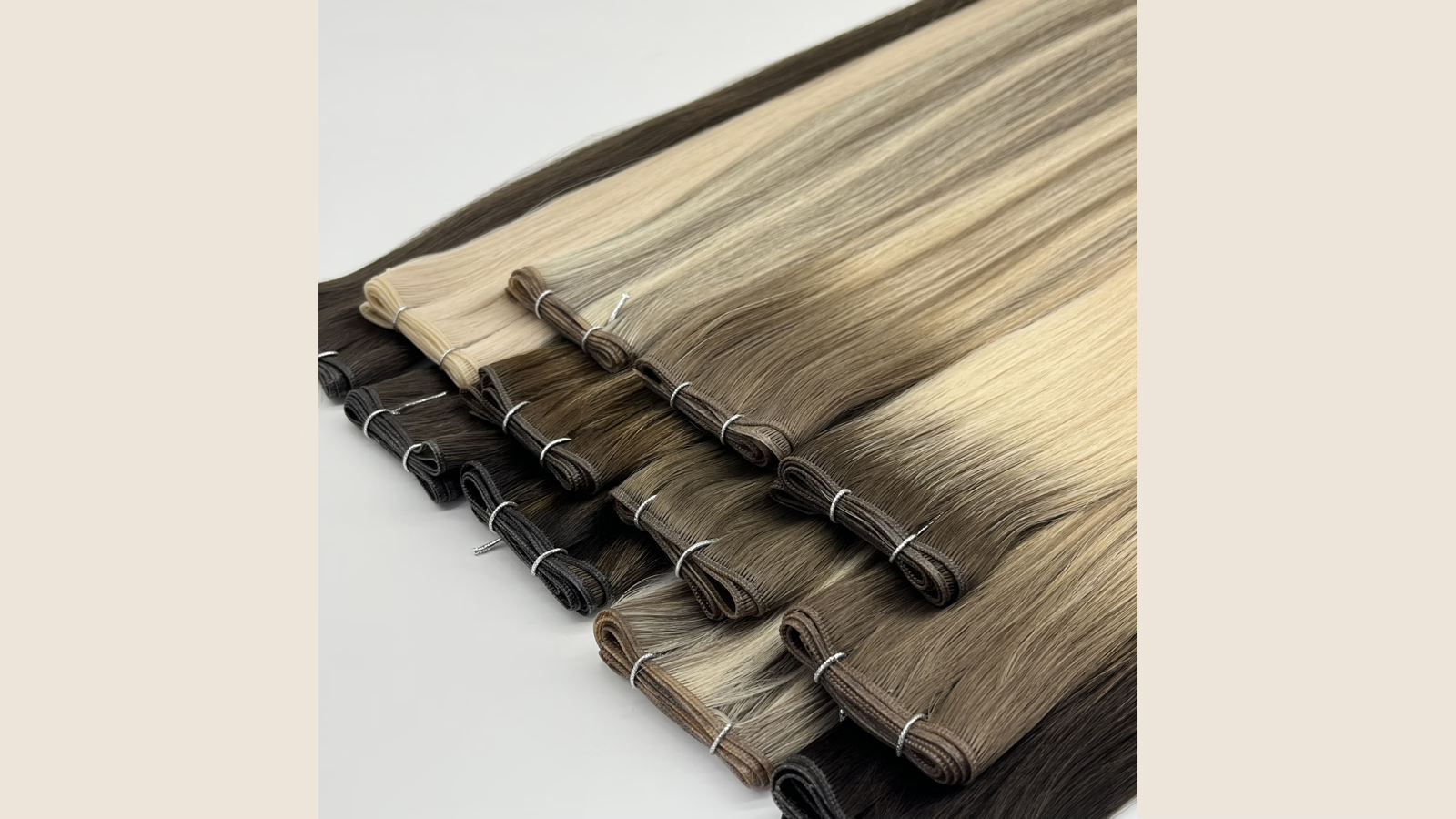
A repeat order should not depend on memory, an old chat message or a product image with no reference. For brands, salons and distributors, a simple reorder specification sheet makes it easier to identify the approved hair-extension version, request a comparable quotation and record changes before production.
This guide explains what the sheet can contain. It does not promise that every option is available, and it does not replace sample approval. Start with the human hair extensions collection, then confirm the details that apply to the specific product and order.
Give every approved version a clear identity
The product name is rarely enough for a repeat order. A useful sheet starts with the buyer’s own product code or SKU reference, plus the approved sample reference and packaging version. Those identifiers give purchasing, sales and service teams a shared way to identify the same product discussion.
Before that reference is accepted, use a consistent human hair sample evaluation checklist to record what was reviewed and which decisions remain open.
If a material, colour direction, attachment or packaging detail changes, do not assume it is still the same version. Record it as a new version or an open change request until the team has reviewed it.
Record product information a supplier can confirm
Use fields that make the specification reviewable. Depending on the product family, the sheet may include:
- Product type and intended installation or sales model.
- Hair type, texture direction, colour reference and length range to discuss.
- The attachment or weft construction reference for the selected SKU.
- The quantity context and any pack or presentation requirement.
- The approved sample reference and the date or version of the discussion.
The sheet should identify what needs confirmation, rather than filling gaps with assumptions. Some details may differ by product construction or project.
Keep colour references separate from product photos
Get a QuotePhotos are useful communication tools, but they are not always a stable colour or product reference. Record the colour name, code, ring reference or other agreed identifier that the buyer and supplier can discuss. Keep the related sample or source image with the record, but do not make a product claim from an image alone.
For a private-label collection, the product identification should also connect to the packaging version. That makes it easier to see whether the team is reordering the same presentation or discussing a different one.
Link the sample, SKU and packaging record
The approved sample reference should not sit in a separate conversation from the SKU and packaging. Put the relevant references on the same sheet, including the product code, packaging version and any information still awaiting confirmation.
This supports better handoffs between the person who reviewed the sample and the person who prepares the next quotation request. Packaging and presentation questions can be discussed through B2B services after the product requirements are clear.
Use the same sheet for quotation comparisons
When suppliers receive different descriptions, their quotations cannot be compared fairly. Send the same specification sheet to each supplier, then ask each to mark the information that is confirmed, sample-dependent, unavailable or excluded.
This approach lets the buyer compare scope before comparing price. It also makes it easier to spot when one proposal uses a general product description while another responds to a more defined version.
Record changes after the first order
Get a QuoteThe sheet becomes more useful after the first order because it can capture approved changes and unresolved feedback. Keep the change history concise: what changed, why it was requested, whether a new sample is needed and which product version it affects.
Avoid translating a single order experience into a blanket quality or performance claim. Use the record to identify the actual product version and the next question that needs confirmation.
Make the sheet usable across teams
The best reorder sheet is not the longest one. It should let sales, purchasing and product teams find the same approved reference without asking one individual to remember every previous decision. A one-page record can be enough if its product code, sample reference, construction information, colour reference, packaging version and change history are clear.
FAQ
What is the most important field in a hair-extension reorder sheet?
Use a product code or SKU together with the approved sample reference. This gives the team a clear starting point for the specific version being discussed.
Can a buyer use the sheet instead of a sample?
No. The sheet organizes the requested and approved information. A sample is still the appropriate reference when the project requires one.
How should a buyer compare two hair-extension quotations?
Send the same specification sheet to both suppliers and ask them to identify confirmed details, sample-dependent items, exclusions and unavailable options.
Conclusion
A clear reorder specification sheet keeps a product conversation connected from sample to quotation to the next order. Before dispatch, the hair extension shipment inspection checklist can help connect the approved reference to the order being reviewed. Share your product category, existing reference and target SKU with WinningWigs to prepare a more focused sourcing discussion.
LET'S TALK ABOUT YOUR PROGRAM
Ready to turn product questions into a clearer brief?
Share your target customer, product category and requirements. Our team will help structure the next sample or quotation conversation.