

To start a business selling wholesale lace top wigs, define which professional buyers you will serve, approve a small product range, calculate your delivered costs and agree a repeatable supply process before offering the collection. Your first objective is to establish a product and service that a salon or wig store can evaluate and reorder clearly.
There is an important distinction: buying wigs at wholesale prices and selling them to individual wearers is a retail business. Selling to salons, boutiques or other resellers is a wholesale business. Both need reliable sourcing, but the quotations, support, inventory and customer relationships are different.
This guide focuses on a wholesale or private-label business serving professional buyers, particularly US wig stores and salons. It is written from WinningWigs' manufacturing and sourcing perspective. Product examples are specification references, not promises of sales, profit or a particular launch timeline.
1. Choose your customer and business model
Start with the buyer you can support. A salon may need individual cap and color options for client fittings. A boutique may need an identifiable collection with consistent product information. A distributor may need multiple business accounts, replenishment records and clear rules for changes to a product.
| Model | Who buys from you | What you need to organize |
|---|---|---|
| Wholesale distributor | Salons, stores and professional resellers | Trade quotations, stock or production availability, sample support and repeat orders |
| Retail wig business | Individual wearers | Consultation, fitting or fitting referrals, consumer product information and service |
| Private-label collection | Business buyers or wearers under your brand | Approved product specification, artwork, packaging and responsibility for customer support |
Private labeling describes branding, so it can be combined with either retail or wholesale selling. Decide who answers cap-fit questions, who completes finishing work and who reviews a reported concern. A logo does not transfer those responsibilities to the manufacturer.
For an initial collection, describe the intended wearer and product application without assuming every customer wants the same length, fullness or shade. Translate that brief into requirements your business buyers can explain during consultation.
2. Define a small, identifiable lace-top range
Choose the construction before expanding the color menu. Lace top refers to an upper-cap area; it does not establish the front, back, attachment or unrestricted parting. Ask for interior photographs and a complete cap description. Our lace top construction guide explains the differences from lace-front and full-lace designs.
Create a specification for each version: cap measurements, usable top area, front treatment, back construction, adjustment, hair material, length, texture, color, density distribution and delivered finish. Record what is confirmed and what needs sample review.
Control the number of SKUs
A SKU is the product code you use to identify a sellable version. As a planning example, two lengths, three colors and two cap sizes already create 12 combinations. Adding two density options increases that to 24, before styling or packaging variants. This is illustrative arithmetic, not a recommended opening assortment.
Use buyer conversations to decide which versions deserve samples or stock. A focused range is easier to photograph, explain and inspect than an extensive menu of options that have not been evaluated. Keep custom requests separate from confirmed stock availability.
3. Select suppliers against one written brief
Ask each candidate to quote the same cap, hair, color, density, preparation and quantity. Compare the sample process, changes permitted after approval, dispatch location and support terms. Our wholesale lace-top sourcing guide covers supplier discovery and reliability checks in more detail.
A manufacturer, a brand's authorized reseller and a stockholding distributor offer different relationships. Confirm who issues your quotation, who controls the specification and who handles a problem. Supplying US buyers does not establish US manufacturing or warehousing.
WinningWigs as a manufacturing option
WinningWigs manufactures in Qingdao, China, and supplies professional buyers internationally. Its HD Lace Top Wig lists lengths of 8–30 inches, densities of 130%, 150%, 180% or custom, and solid, highlighted, balayage and custom shades. Confirm the selected material, processing, cap and finishing requirements in the quotation.
The listed wig minimum is one piece per color and length combination. That provides a starting point for a sample discussion; it does not establish the total cost of launching a business or the minimum for custom printed packaging.
Semi-finished dispatch is typically 1–4 working days from the order date, subject to availability. Custom dispatch is typically 12–40 working days from the order date, depending on complexity. Dispatch is separate from shipping, clearance and salon preparation. Do not describe a semi-finished piece as ready for a client appointment without confirming the remaining work.
4. Approve samples before promising a collection
Evaluate the actual construction and appearance your buyer will receive. Confirm cap fit, usable parting area, hairline, knots, density distribution, root transition, shade and preparation. Agree the care and handling method before any wash or styling evaluation.
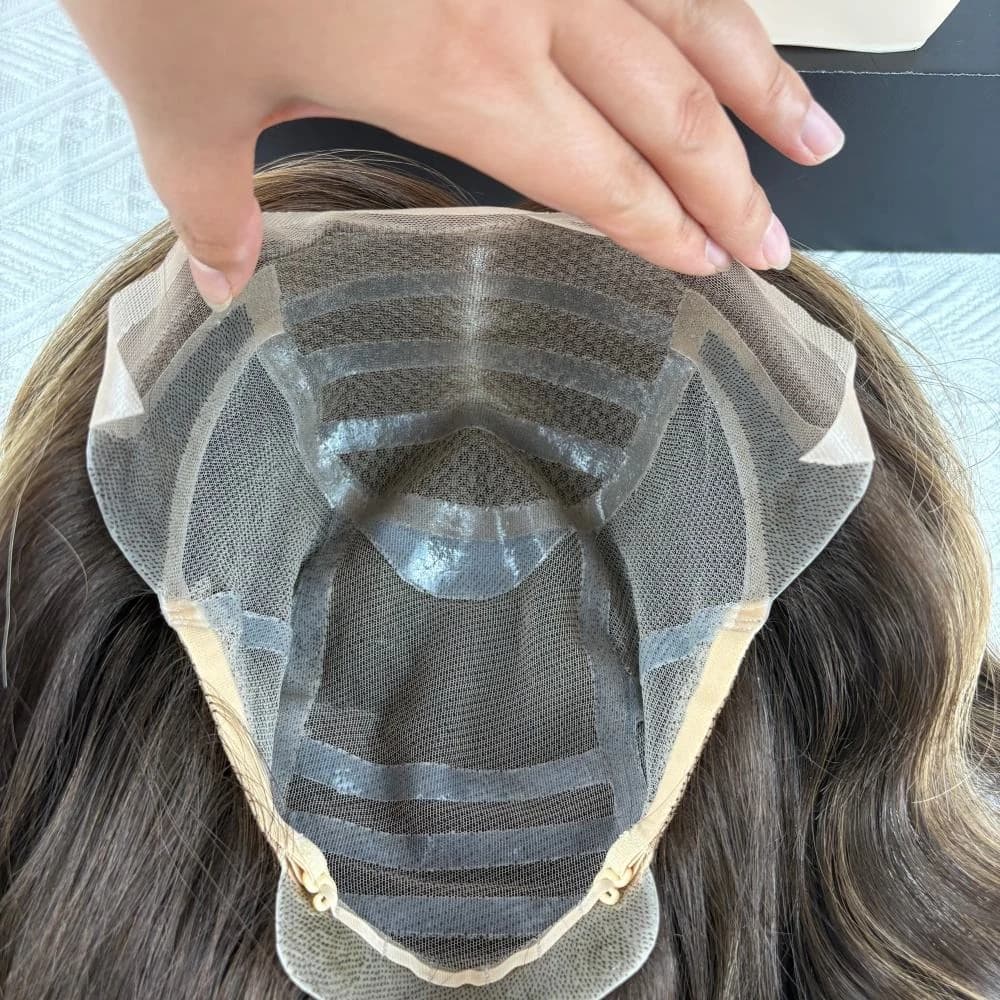
WinningWigs' published quality process includes visible-condition review, combing, curl consistency and shade comparison under inspection lighting. If your collection needs additional factory testing, agree the method and acceptance criteria before production. Keep the approved sample, photographs and revision notes together.
For example, a proposed side-part style may extend beyond the usable top panel. Revise the construction or the styling brief before approval instead of trying to solve it with a higher overall density. This is a specification example, not a reported customer project.
Your approval record should identify the sample version, review date, outstanding changes and person approving production. A promising first sample supports the next purchasing decision; it does not demonstrate that every future delivery will be identical or establish years of wear.
5. Calculate startup costs and unit economics
Build the budget from quotations and operating requirements. The US Small Business Administration's planning resources distinguish one-time and ongoing expenses and explain break-even analysis. Apply that approach to the actual way you will sell and fulfill wigs.
| Cost area | Items to include in your estimate |
|---|---|
| Product development | Samples, revisions, shade references and any agreed evaluation work |
| Initial purchasing | Confirmed inventory or production commitments by specification |
| Delivered preparation | Transport, applicable import costs, inspection and remaining finishing work |
| Presentation | Photography, labels, care information, packaging and website setup |
| Operations | Storage, software, payment costs, staff time, marketing and professional services |
| Service provision | Time and resources for buyer questions, concerns and agreed remedies |
Compare the same preparation level. A lower factory price may leave more fitting, lace preparation or styling work for you or the salon. Record those costs rather than treating unspecified work as free. For imports, confirm the shipping arrangement and which charges are included for the destination.
Separate contribution from markup
For a simple planning calculation, contribution per wig equals the selling price after discounts minus the variable costs associated with that sale. Include the applicable product, preparation, fulfillment and payment costs. Markup on the factory purchase price is not the same as profit after operating expenses.
For a single-product estimate with a positive contribution, break-even units equal fixed expenses for a period divided by contribution per unit. A mixed collection needs a realistic sales mix. Use current quotes and sensitivity checks; this is a planning estimate, not a sales forecast or a guaranteed margin.
Keep a cash schedule alongside the cost sheet. Sample payments, production payments, transport and customer receipts may occur at different times. Decide how an order will be funded if the customer pays later than your supplier. Do not promise credit terms until your business can support them.
6. Prepare the business and wholesale order terms
For a US business, check the registration, tax, licensing and permit requirements relevant to your location and activities. The SBA's launch resources provide a starting point and direct businesses to the applicable authorities. Product resale, importing and providing fitting or other salon services can involve different questions; confirm the requirements for your actual operation.
Prepare order terms your customers can understand. State quotation validity, payment arrangements, what confirms the specification, what changes require approval and how availability is communicated. Document reporting procedures and the terms applicable to stock, samples and custom pieces.
Make the handover between you and the manufacturer explicit. Your customer should know whom to contact, which records to keep and whether a concern needs photographs or examination of the item. Obtain the supplier's process before offering a broader service promise to your own buyers.
7. Build a useful catalog and private-label package
A wholesale catalog should help a buyer identify and compare products. Include product codes, cap photographs, dimensions or fitting references, material information, shade references, length, density options, preparation and the route for samples or quotations. Distinguish stocked versions from made-to-order options.
Show product details your staff can explain. A full-length display photograph helps with style, while interior and hairline views help with construction. Describe the actual piece shown and obtain permission to use the photography. Avoid presenting supplier images as customer results or as proof of tests you have not performed.
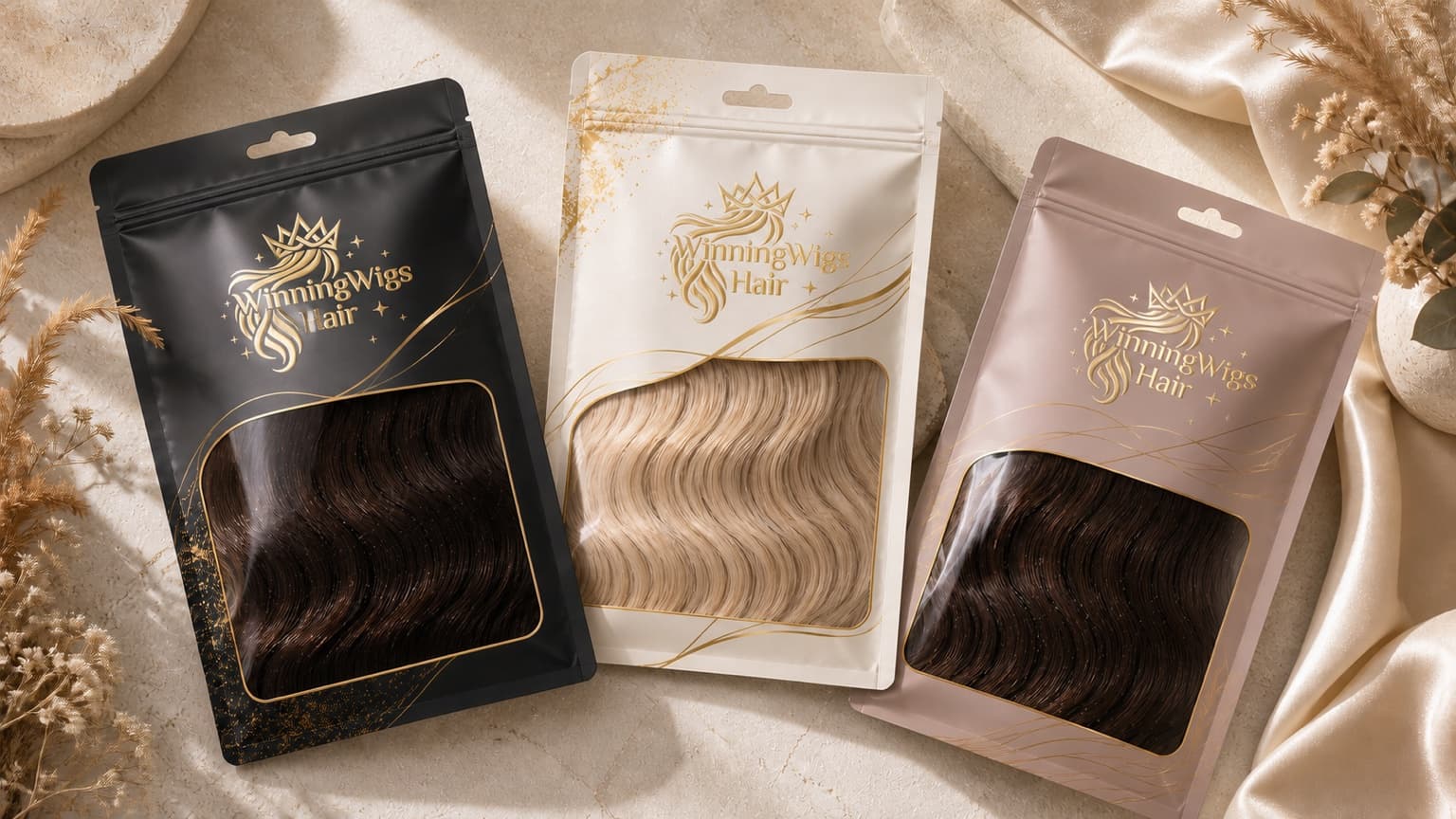
For private labeling, review the bag or box dimensions, product label, care insert, artwork and any printing minimum separately. Make sure the packaging identifies the same product version as the order record. Ask which presentation elements can be customized through the Custom Wig program.
8. Find professional buyers with a clear offer
Choose a defined buyer group: independent wig boutiques, salons offering wig consultations or professional resale businesses with an established customer base. Learn what they need before presenting a large assortment. Questions about cap sizes, color availability, preparation and reorder support can reveal gaps your collection might serve.
Give qualified buyers a practical next step, such as reviewing a specification sheet, comparing a sample or requesting a trade quotation. A useful introduction explains the product, which customer requirement it serves and what the buyer can inspect. Follow applicable communication rules and respect the buyer's preferences.
Your website should make the wholesale relationship clear. Show construction details, sample requirements, order minimums, supply location and how timing is confirmed. Use accurate claims about material, origin and preparation. A European-style appearance does not establish European hair origin, and a natural-looking display does not prove a particular wearer result.
Track buyer discussions by their next decision: specification clarification, sample review, quotation or order approval. Website visits and social followers alone do not establish demand for a particular SKU or the likelihood of repeat purchasing.
9. Pilot the supply process before expanding
Use an initial order to check the whole workflow, not only the hair. Review how the brief became a quotation, how changes were approved, whether the delivered preparation matched the order and whether the product record supported the buyer's fitting or resale work.
During shipment inspection, compare the product code, cap, color, length, preparation, labels and accessories against the approved reference. Record unexpected differences before washing, coloring, cutting or bonding. Follow the agreed reporting process rather than making alterations that obscure the delivery condition.
| Launch checkpoint | Record needed before moving forward |
|---|---|
| Buyer and range defined | Target account type, product application and proposed SKU list |
| Sample reviewed | Approved version, changes, photographs and acceptance criteria |
| Commercial plan confirmed | Cost sheet, quotation, payment and fulfillment responsibilities |
| Presentation ready | Accurate catalog, approved artwork and care information |
| Pilot delivery reviewed | Inspection notes, buyer feedback and unresolved concerns |
| Replenishment planned | Reorder reference, confirmed availability and timing |
Expand based on the versions buyers request, the work needed to fulfill them and the evidence from actual deliveries. Keep cap measurements, physical shade references, density distribution and packaging versions together. Treat a material or construction change as a revision that needs agreement, rather than silently substituting it into a repeat order.
FAQ
Do I need to manufacture wigs to sell them wholesale?
No. A distributor can purchase from a manufacturer and sell to professional buyers. Clearly describe your role and the product's supply location. You still need a defined specification, customer support process and agreement on responsibility for orders and reported concerns.
How much money does a wholesale lace-top wig business need?
There is no universal starting figure. Price the samples, proposed range, packaging, transport, preparation, business setup and operating needs for your model. A one-piece supplier minimum does not equal the total launch budget. Use quotations and a cash schedule before making inventory commitments.
Can I start by buying one sample from WinningWigs?
The listed wig minimum is one piece per color and length combination. Confirm the cap, sample price, delivered preparation and timing for the selected specification. Custom printed packaging or additional development work may have separate conditions.
Should I hold stock or sell made-to-order wigs?
Compare the service you are promising with your confirmed supply route. Stock requires purchasing and storage but may support near-term orders when the exact unit is available. Made-to-order selling requires clear approval and timing stages. Neither model removes the need for sample review and accurate availability information.
Can I use my own brand on the wigs?
Private-label options can be discussed with the manufacturer. Confirm the approved product, artwork, labels, care information and packaging minimums. Decide how your business will handle buyer questions and reported problems before launching the brand.
Is dropshipping available automatically with wholesale supply?
No. Direct-to-customer fulfillment requires a separate confirmed arrangement covering stock, preparation, packaging, tracking and problem handling. A manufacturer offering wholesale orders has not necessarily agreed to fulfill individual customer orders on your behalf.
When is the collection ready to launch?
When the product specification and sample are approved, the cost and cash plan are workable, order terms and responsibilities are clear, and you can support the preparation and delivery promises you make. Use those checkpoints rather than a fixed calendar claim.
Conclusion
Starting a wholesale lace-top wig business means organizing a product, commercial offer and supply process that professional buyers can assess. Begin with a defined customer, a manageable range and an approved sample. Then connect your cost sheet, catalog, order terms, delivery checks and repeat-order records.
WinningWigs can discuss samples, custom production and private-label presentation for a specified collection. The useful next step is a clear brief that identifies what your business intends to sell and what your buyers need to confirm.
Source and editorial notes
Business-planning and setup references were reviewed on November 2, 2026: SBA planning resources and SBA launch resources. Confirm current requirements with the relevant authorities and advisers for your operation. Product options and timing require an order-specific quotation. Photographs illustrate product and presentation references, not a documented startup result or profitability test.
LET'S TALK ABOUT YOUR PROGRAM
Ready to turn product questions into a clearer brief?
Share your target customer, product category and requirements. Our team will help structure the next sample or quotation conversation.