
Introduction
How long do human hair wigs last? Around a year is a useful starting point for a replacement discussion, but published guidance varies from roughly 9–12 months to 1–3 years. These figures describe different products and contexts. They are not a universal warranty, and the hair may remain usable after parts of the cap need attention.
For a wearer, the practical question is how long the wig will maintain a comfortable fit, acceptable coverage and manageable hair under their routine. For a salon or brand, it is also how to explain maintenance and replacement without promising a lifespan the product has not demonstrated.
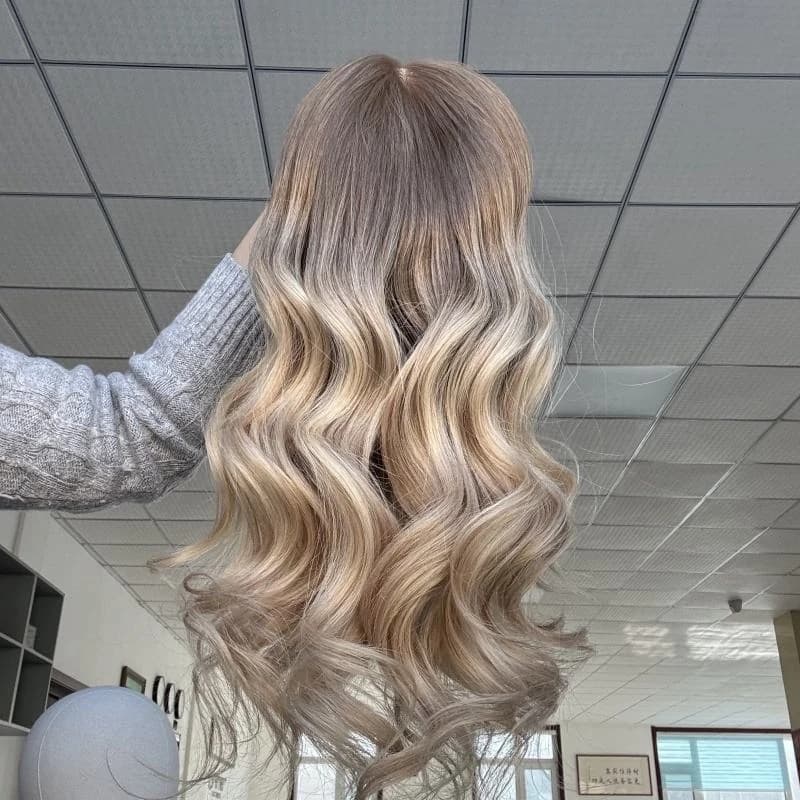
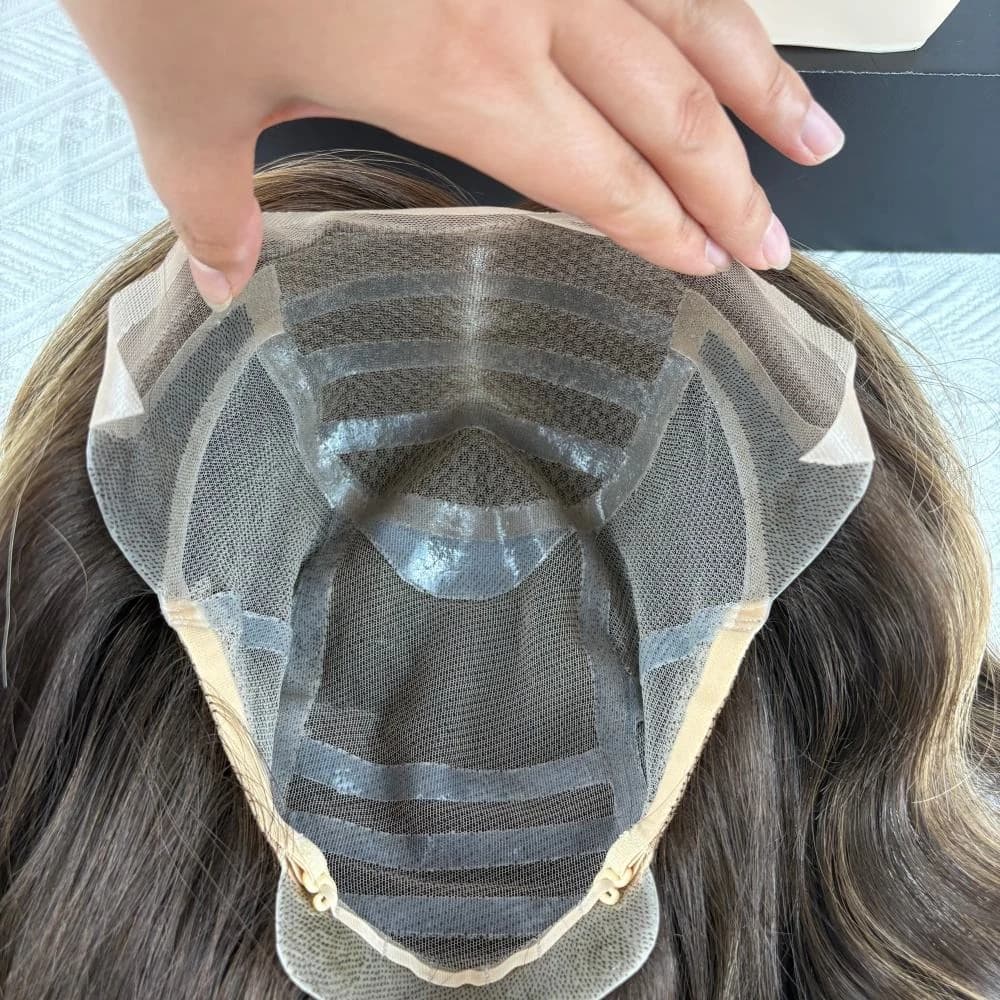
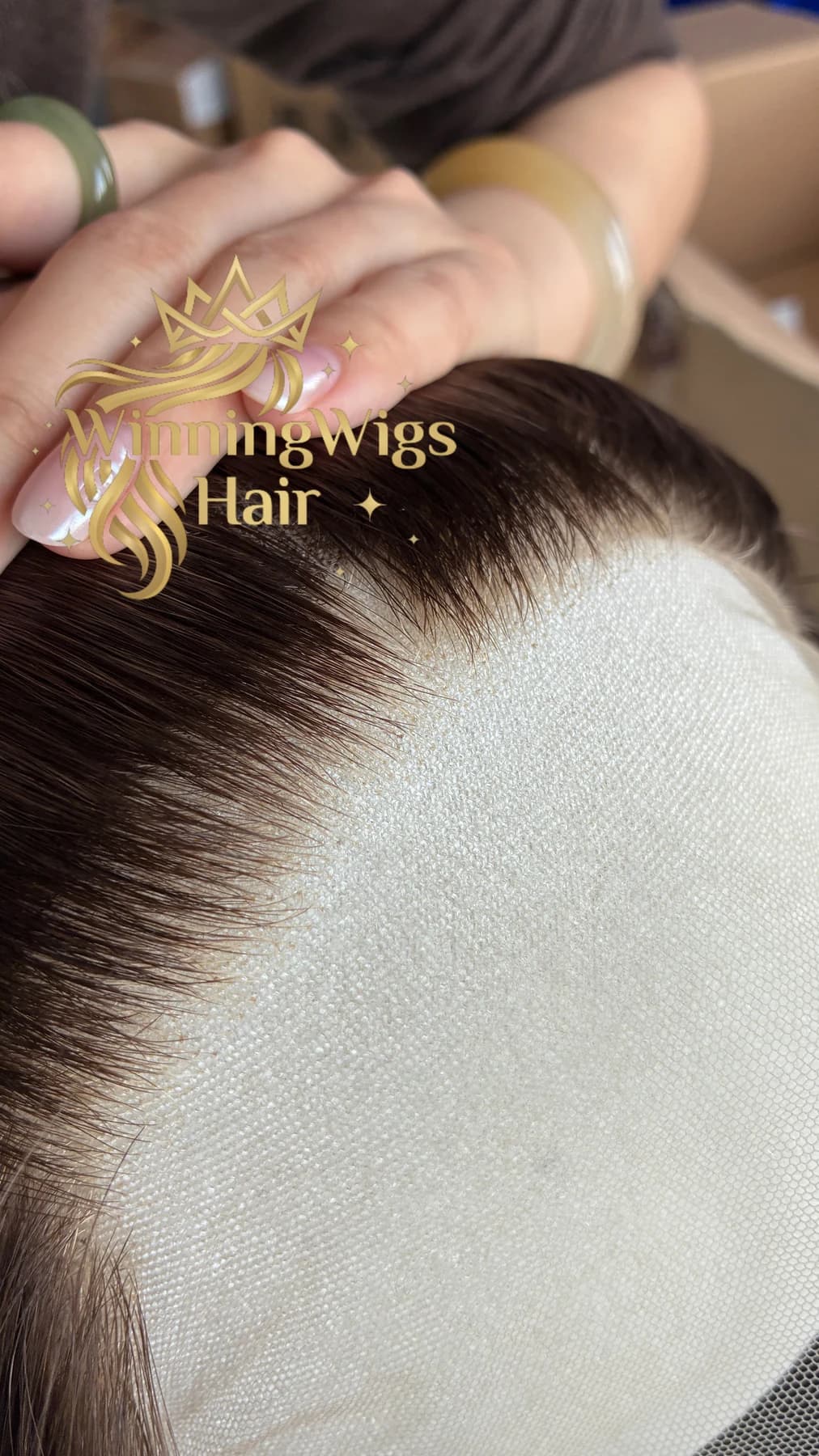
This guide separates hair condition from cap condition, explains the main wear factors, and provides a sample review and replacement checklist. The supplied photographs illustrate product details; they are not records of accelerated aging or long-term wear tests.
What published lifespan estimates actually mean
There is no single number that can be transferred to every human hair wig. Consider the scope behind the advice:
| Published guidance | Stated reference | How to use it |
|---|---|---|
| Jon Renau, Human Hair Care 101 | An average of 9–12 months for a human hair system | Read alongside the brand's later explanation of cap life |
| Jon Renau, Myth-Busting: Human Hair Types | Its 9–12 month discussion refers to cap materials | Distinguish the base from hair that may outlast it |
| Ellen Wille, Human Hair FAQ | Typically 12 months, depending on lifestyle, wear and care | Treat as guidance for that brand's products |
| Cancer Research UK, wig guidance | Real hair wigs usually last 1–3 years | A broader consumer reference, without a matching wear schedule |
Sources: Jon Renau care overview, Jon Renau cap-life explanation, Ellen Wille human hair FAQ, and Cancer Research UK wig guidance.
These are published estimates, not results from a shared comparison test. None establishes the lifespan of a particular WinningWigs order. Ask your supplier which construction, maintenance routine and wear pattern their advice assumes. Do not base a purchase solely on the longest number available.
Hair life and cap life are different
Hair condition determines everyday manageability
Assess whether the lengths detangle reasonably, retain the intended finish and provide enough coverage. Dry ends, persistent tangling, breakage and loss of fullness may gradually make styling more difficult. A change after one wash deserves review, but it does not by itself identify a manufacturing defect or a care error.
Conditioning and professional styling may improve the feel or appearance of some worn hair. They do not replace missing strands or reverse every form of damage. A smoother finish immediately after a treatment is also different from sustained manageability through the next wash and wear cycle.
Cap condition determines fit and structural usability
Check the lace edge, seams, attachment areas, adjustable components and overall shape. A wig can have attractive lengths but a damaged front, thinning part or cap that no longer fits as intended. Conversely, a sound cap does not make severely tangled or broken hair satisfactory.
Maintenance of an adhesive bond is a separate schedule from replacement of the wig itself. A lifting attachment may require correct removal and refitting rather than a new unit. Have the cause assessed before applying more adhesive or pulling the cap tighter.
Six factors that affect how long a wig remains usable
1. Frequency and duration of wear
Calendar age alone is a weak comparison. Wearing a wig five days a week for twelve weeks means about sixty wear occasions; once a week over the same period means twelve. This arithmetic illustrates exposure, not a formula for predicting failure. Hours per wear and handling also matter.
A second wig can spread use across two units and leave time for cleaning and drying. Rotation does not guarantee that either wig will last twice as long. Record actual wear rather than comparing an occasional-use wig with one worn throughout each working day.
2. Processing history and later color changes
Ask what coloring, lightening and texture processing the finished hair has undergone. Do not infer durability from a shade photograph or a label such as Remy or virgin alone. Compare the actual selected shade and construction after the agreed care routine.
Further bleaching or recoloring can change performance and may be unsuitable for a particular product. Ellen Wille, for example, distinguishes collections that may be colored from those it advises against chemically altering. Its collection-specific guidance shows why “human hair” is not automatic permission to recolor. Obtain instructions before booking a chemical service.
3. Heat and styling workload
Repeated heat styling adds handling and thermal exposure. Ask for the finished product's permitted tools, settings and preparation. Use controlled equipment and the lowest effective setting allowed by those instructions; a temperature recommended for one manufacturer's wig is not a universal specification.
Choosing a cut and texture close to the intended everyday style can reduce the need to reshape the entire wig repeatedly. If the desired appearance requires extensive daily correction, revisit the original product choice with the fitter.
4. Friction, length and the wearing environment
Long hair has more contact with collars and shoulders. The nape is therefore a useful place to check for developing tangles before they become difficult to remove. Gentle, regular attention is preferable to pulling a brush through a compacted section.
Exercise, perspiration, swimming and outdoor conditions may change cleaning needs. Discuss these applications before purchase. A wig intended for occasional indoor use should not be evaluated against an intensive activity routine without clarifying the relevant care and attachment requirements.
5. Cap fit and handling
Correct installation preparation helps avoid unnecessary strain. Arrange underlying hair evenly, check the cap position, and adjust the intended fittings without forcing the lace or seams. Remove attachments using instructions compatible with the base and bonding product.
Lift and support the wig by appropriate cap areas rather than repeatedly pulling the front mesh. Aggressive plucking or knot bleaching can also change coverage and construction. Our natural-looking wig guide explains why fit and styling should be checked before irreversible alterations.
6. Washing, drying and storage
Use the supplier's routine for the exact wig. The right washing interval depends on wear, residue and the product instructions; unnecessary washing and leaving heavy buildup unaddressed create different problems. Keep a simple care record when assessing a new product.
Jon Renau's care guide recommends gentle directional washing and keeping conditioner away from the base because it may weaken knots. Follow the selected wig's own instructions for products, water temperature, detangling and drying. Avoid rubbing or wringing, and let the cap dry as directed before storage.
Store the wig clean and fully dry in a suitable supported position, away from unnecessary sunlight and heat. Packing damp hair into a travel bag or repeatedly compressing delicate lace makes later inspection and styling harder.
Keep a simple care and condition log
Start with photographs of the front, part, nape and cap interior when the wig arrives. Use similar lighting and positioning for later photographs. Record the fitting date, approximate wears, cleaning dates, products used and any color or attachment changes. The goal is a useful comparison with the original condition, rather than a detailed diary.
At each care session, look for a change that affects actual use: a recurring tangle, a spreading thin area, a seam opening or an adjustment that no longer holds. Note whether the concern improves after the approved care routine or returns immediately. Keep ordinary loose hairs separate from a claim of excessive shedding until the pattern has been reviewed.
For a business trial, give the same recording instructions to everyone evaluating the selected sample. Different lighting, unrecorded salon treatments and inconsistent washing can make two reports difficult to compare. Documenting those differences helps a supplier investigate a concern without assuming the cause in advance.
When should you maintain, repair or replace a wig?
Inspect condition after gentle care using the approved routine. A single bad styling day does not automatically mean the wig is finished, but persistent structural damage should not be hidden under styling products.
| What you notice | Useful next step | Replacement consideration |
|---|---|---|
| Dry ends with otherwise manageable hair | Review the care routine and ask about suitable conditioning or trimming | Reassess if breakage or tangling remains disruptive |
| Localized nape tangling | Review friction, detangling and styling with the fitter | Consider replacement if acceptable manageability cannot be restored |
| A loose adjustment component or limited seam issue | Ask whether professional repair is suitable | Compare repair cost, remaining condition and expected use |
| Torn front lace or a visibly thinning part | Stop further alteration and request a construction review | Replace if repair cannot provide acceptable coverage and fit |
| Adhesive lifting while the cap remains sound | Review preparation, removal and refitting instructions | Do not equate bond maintenance with full-unit failure |
| Widespread shedding, broken lengths or unstable cap shape | Document the issue and consult the seller or fitter | Replacement may be more practical than repeated corrective work |
For an early or unexpected problem, photograph the affected area and keep the order details, care history and product names. Contact the seller before further cutting, coloring or repair. Warranty and return terms must be checked separately from general lifespan guidance.
What buyers should check before committing to a range
Match the sample to the intended application
Write down customer requirements: daily or occasional wear, preferred length, shade, texture, cap measurements, attachment method and practical maintenance ability. Compare samples under that brief. A short, minimally restyled wig and a long, frequently heat-styled design do not represent the same workload.
Our HD Lace Top Wig and Invisible Hairline Wig pages provide construction references for a supplier conversation. The Custom Wig program supports a more specific brief. These links do not identify the exact specifications of the photographed pieces or establish a lifespan guarantee.
Define factory testing without overstating what it proves
WinningWigs' published quality process describes visible-condition review, combing performance, curl consistency and color comparison under standard inspection lighting. Those checks support incoming product assessment; they do not measure years of customer wear.
For additional factory testing, agree the method in advance: sample identification, products, wash and drying procedure, number of cycles, photography and observations to record. Compare initial and subsequent condition under consistent conditions. A short wash review can reveal changes worth investigating, but there is no justified conversion from a few wash cycles to a guaranteed number of years.
The B2B sample evaluation checklist provides a starting framework. Adapt it to the wig's cap and attachment rather than borrowing an extension-only acceptance criterion.
Keep shipment inspection and later wear records connected
During shipment inspection, confirm the ordered SKU, color, length, construction, visible condition, packaging and care information against the approved sample and order. Keep identifying photographs before fitting. This establishes a delivery baseline, not a prediction of future durability.
As a hypothetical review example, a salon notices increasing nape tangling after several weeks. Useful records distinguish the exact wig, wear frequency, collar contact, care products and styling history. Reviewing those details alongside the original sample is more informative than declaring either “poor quality” or “incorrect care” from one photograph. No customer test result is implied by this example.
Compare cost per wear and replacement support
A higher purchase price does not establish a longer service life. Compare the delivered product, fitting, care, likely professional maintenance and replacement arrangements. Ask whether repairs are offered, what they involve, and how concerns are assessed.
For a purely illustrative budget, a $600 wig worn 150 times has a purchase cost of $4 per wear before care or fitting. Neither figure is a WinningWigs quotation or a forecast. Use your own actual cost and recorded wears to evaluate value rather than assuming an advertised maximum lifespan.
Lower density is not automatically less durable, and higher density does not automatically mean a longer-lasting cap. Coverage requirements and construction should guide selection. Our low-density wig guide explains fullness and coverage tradeoffs; choose the appearance and maintenance workload together.
FAQ
How long do human hair wigs last with daily wear?
Around a year is a reasonable discussion starting point, with product-specific expectations taking priority. Published estimates vary, and daily wear is not a standardized number of hours. Assess cap condition, hair manageability and coverage throughout use rather than treating a date as an automatic replacement deadline.
Can a human hair wig last three years?
It is possible, and Cancer Research UK includes three years in its broader guidance. That is not a promise for every wig or intensive daily routine. Ask what wear pattern and maintenance assumptions apply to the actual product you are considering.
Does human hair last longer than synthetic hair?
Fiber type alone is insufficient for a purchase decision. Compare the specific products, maintenance requirements, styling needs and supplier guidance. Human hair offers styling possibilities, but it also requires appropriate care. A well-matched synthetic design may suit someone who prefers its supplied style and maintenance routine.
Does washing a wig make it wear out faster?
Washing creates handling, but necessary cleaning is part of care. Follow the product's interval and method, adjusting with professional guidance for activity and buildup. Scrubbing, pulling and unsuitable products should not be confused with gentle cleaning carried out as instructed.
Will occasional wear make a wig last longer?
It can reduce exposure to handling and friction over a calendar period. Storage and care still matter, and occasional use does not establish a guaranteed extension of life. Track actual wear and condition if you want a meaningful comparison.
Can damaged lace be repaired?
Some localized issues may be repairable, depending on the material, location and extent. Ask a qualified repair provider before trimming or trying an improvised fix. Compare the proposed repair with the condition of the hair, remaining coverage and fit.
Is a lifespan estimate the same as a warranty?
No. A service-life estimate describes an expectation under stated conditions. A warranty defines specific coverage, exclusions, evidence and time limits. Request the applicable order terms and problem-review process before purchase, especially for a salon or private-label range.
Conclusion
Human hair wig lifespan depends on both the hair and the cap, together with wear frequency, processing, styling and care. Use published estimates as context, then assess the exact product under the routine it will actually face.
For wearers, timely inspection helps separate a maintenance need from replacement. For salons and brands, a documented sample, clear care information and delivery records support more credible advice than a blanket promise of several years.
LET'S TALK ABOUT YOUR PROGRAM
Ready to turn product questions into a clearer brief?
Share your target customer, product category and requirements. Our team will help structure the next sample or quotation conversation.