
Introduction
Good human hair wig care follows a consistent sequence: check the instructions for the finished piece, detangle gently, cleanse and condition as directed, dry the hair and cap appropriately, and store the wig only when fully dry. The right method depends on the fiber, color processing, cap and attachment, not simply the words human hair.
A routine should keep the wig manageable without unnecessary pulling, buildup or repeated corrective styling. For a salon or brand, it should also be clear enough to explain at handover and specific enough to support a useful review if a customer reports a problem.
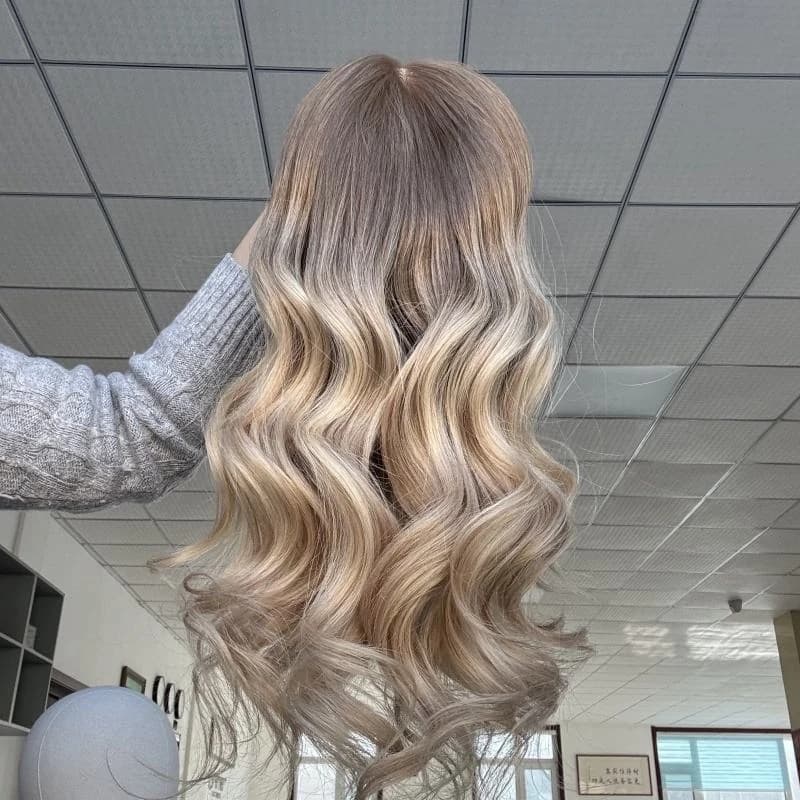
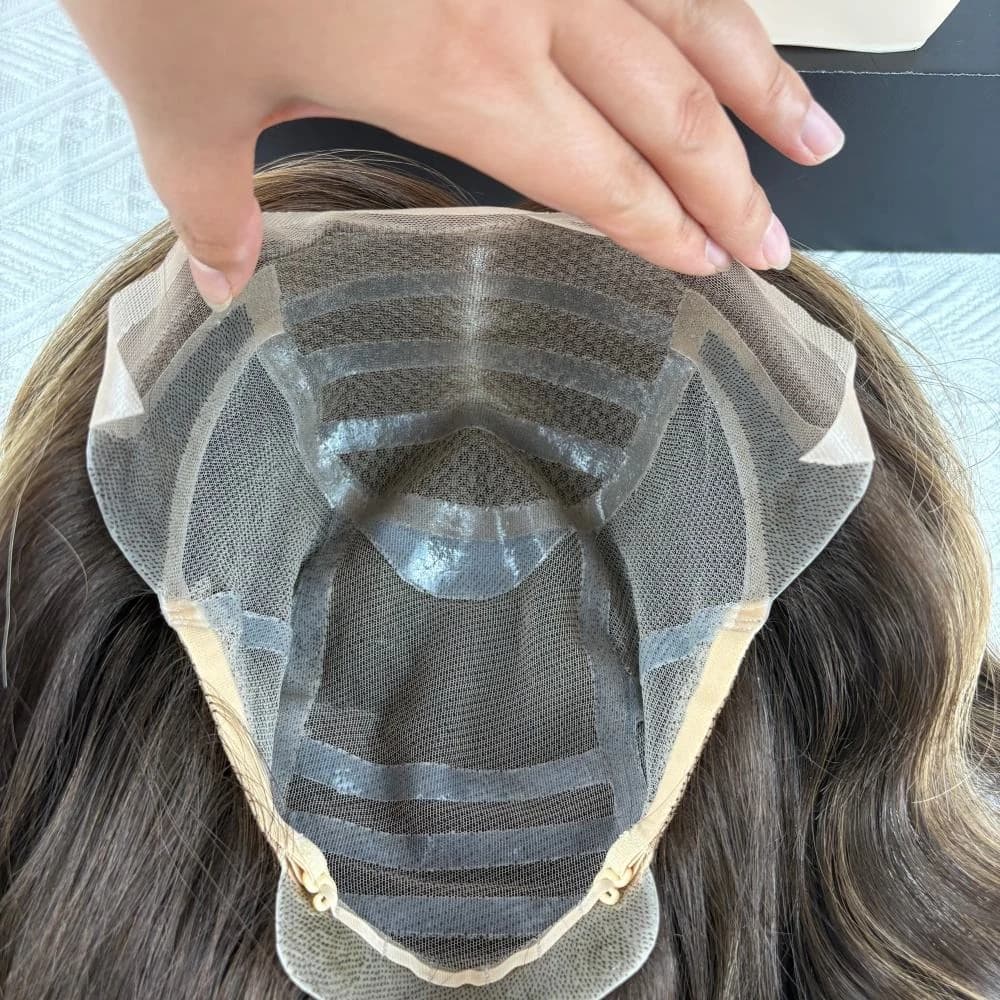
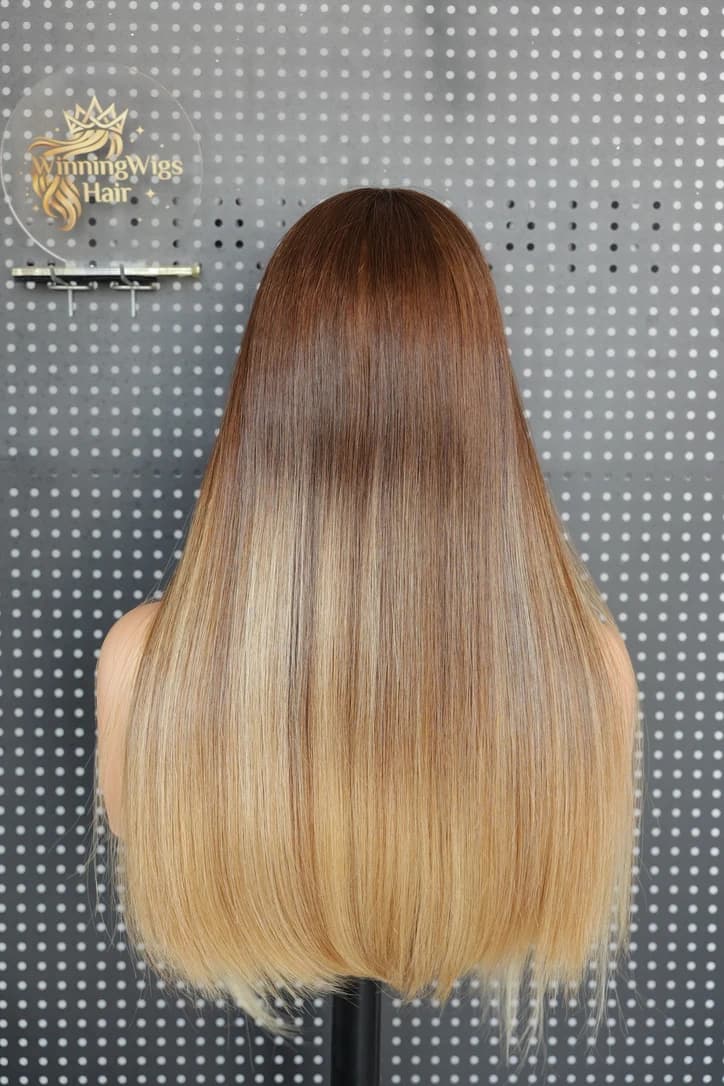
This guide covers the practical decisions behind washing, brushing, drying and storage. The supplied product photographs illustrate styling and construction references; they are not photographs of a wash test or proof that a particular care method produced the displayed finish.
Confirm the care specification before the first wash
Keep the order details and care sheet together. Ask the seller to clarify anything missing before washing, coloring, cutting or applying a new treatment.
| Detail to confirm | Why it matters |
|---|---|
| Exact fiber and selected shade | A human-hair collection may include shade-specific blends or processing |
| Cap, lining and attachment components | The base needs compatible cleaning, support and handling |
| Shampoo, conditioner and styling products | Different formulations and application areas may be recommended |
| Water temperature and washing method | Instructions vary between manufacturers and product systems |
| Detangling and drying tools | A method suitable for one cap or texture may not suit another |
| First-wash and problem-review terms | Washing or alterations may affect how an initial concern is assessed |
Why one temperature is not a universal rule
Jon Renau's human-hair guide describes cool running water. Ellen Wille's human-hair FAQ specifies lukewarm water for its routine. Follea's Signature Care guidance specifies 104°F, or 40°C, in connection with its own formulated products.
These examples show why a number should stay attached to its product instructions. They are not three interchangeable settings for every wig, nor are they WinningWigs-wide care specifications. Avoid combining selected steps from different brand systems into an improvised routine.
Decide when cleaning is needed
Wear frequency, activity, styling products and the environment influence cleaning needs. Look at the hair's movement and feel alongside the supplier's schedule. A wig worn for an occasional indoor event faces a different routine from one worn throughout a working day.
Ellen Wille gives a six-to-eight-wear reference for its human-hair styles. Follea's maintenance guide instead emphasizes lifestyle, activity and product usage when deciding when to wash. Treat these as product guidance, not a mandatory calendar for every wearer.
Keep a brief record while learning the routine: approximate wears, styling products, wash date and any change in manageability. This is more useful than automatically washing after every outing or adding more finishing product whenever the hair feels different. Persistent residue or a recurring tangle deserves a closer review.
Detangle before washing without pulling on the base
Start at the ends and work in manageable sections
Use the tool approved for the wig and texture. HairUWear's human-hair instructions describe finger or wide-tooth-comb detangling from the ends toward the base. A brush is not automatically the right tool for every wig or stage of the routine.
Support the hair above a tangle so that the force does not travel directly to the knots or seams. Separate a manageable section, release the ends first, then gradually work higher. Stop if the section resists; repeatedly forcing the tool through the same knot can turn a small handling problem into a larger one.
Preserve the intended texture
Straight, wavy and curly pieces may need different handling. Ask how much separation the style allows and whether fingers, a comb or a particular brush should be used. Do not pull a curl straight simply to make every section look identical during inspection.
Check the nape and areas that contact clothing. Note where tangles recur and whether they appear before washing, during cleaning or after styling. If substantial matting is already present, ask the supplier or a qualified wig specialist for a suitable approach before starting a routine wash.
Wash and condition with a controlled sequence
For a wig whose instructions specify washing under running water, use the following sequence together with the exact product directions:
- Prepare a clean washing area, towel, suitable support and approved products before wetting the wig.
- Remove the wig using its attachment and removal instructions. Handle adhesive residue as a separate, product-specific task.
- Support the piece as directed and wet the hair in its natural downward direction at the specified water temperature.
- Apply the stated amount of shampoo gently through the hair. Keep the lengths organized rather than bunching them together or scrubbing them like laundry.
- Rinse thoroughly while maintaining that direction. Check that shampoo has cleared before moving to conditioner.
- Apply conditioner only to the areas and for the time specified, then rinse as directed.
- Press or blot out excess water gently with a clean towel. Avoid twisting the lengths or rubbing them vigorously.
Jon Renau's routine keeps conditioner away from the base because it may weaken knots. For a hand-tied piece, clarify exactly where the chosen conditioner, mask or leave-in product may be applied. More product or a longer treatment time is not automatically better care.
Do not use prolonged soaking as a default substitute for the supplied method. A direction to soak a particular product for a stated purpose should not be transferred to another cap or treatment. Ask before introducing bleach, purple shampoo, a homemade mixture or a chemical service to address a color or texture concern.
Dry the cap and hair without changing the fit
Remove moisture and use the correct support
After the directed towel-blotting step, arrange the piece on the support specified for its construction. Do not stretch a damp cap over a form simply because that form is convenient. HairUWear cautions that drying its human-hair wigs on a canvas block or mannequin can overstretch the cap.
Check the interior as well as the lengths before storage or fitting. Seams, linings and attachment areas can remain damp after the surface hair appears dry. Drying time varies with the construction and conditions, so a fixed number of hours is not a reliable completion test for every piece.
Distinguish cap drying from styling the hair
Brand instructions differ here too. Jon Renau describes allowing the cap to dry before block-head styling and recommends blow-drying its human hair for a polished finish. HairUWear permits its damp human-hair wig to remain on a suitable stand until completely dry. Follow the chosen wig's procedure rather than declaring air-drying or blow-drying universally best.
If a blow dryer is permitted, use the specified setting, tool and technique. Work with controllable sections and avoid unnecessary repeated passes. For irons or curling tools, confirm that the hair is fully dry and follow the finished wig's heat limits and protection instructions. An advertised maximum temperature is a limit, not a target for every styling session.
Store the wig clean, dry and supported
Between wears
Remove tangles using the approved method, check the cap and allow the piece to dry fully if needed. Use a correctly sized, compatible stand or storage support that does not distort the cap. Keep the hair arranged without trapping it beneath clips or compressing the lace front.
Follea's lifespan and care discussion recommends a cool, dry storage environment. For your own piece, also follow its support instructions and keep it away from unnecessary sunlight, direct heat and sources of dampness. A styled surface does not establish that the interior is ready for storage.
Travel or a longer break
Pack only a fully dry wig, with its cap and hairstyle protected using the supplier's recommended method. Keep liquids and styling products securely separated. Avoid placing heavy items on the hairpiece or folding a delicate edge to fit a smaller bag.
Include the care sheet, order reference and the tools you actually use. When unpacking, check the cap and gently arrange the hair before considering restyling. A transport crease or flattened finish should be assessed before introducing more heat or product.
Refresh between washes without hiding a recurring problem
Use only the light detangling or finishing products permitted for the wig, in the recommended application areas. Track what has already been applied. Layering more oil, spray or serum over a change in feel can make it harder to distinguish residue from a condition that needs review.
Check whether repeated nape tangling coincides with clothing contact, fit changes or a particular styling routine. Review installation preparation as well as the lengths. Our natural-looking wig guide explains why correct positioning and foundation matter before altering fullness or the hairline.
Plan separately for activities such as swimming, sleeping or showering while wearing a wig. A removable wig's home-care routine is not a procedure for cleaning a bonded system while attached. Ask for an appropriate activity or attachment solution rather than improvising from a general washing guide.
What to record when care does not give the expected result
| Concern | Useful information to gather | Next step |
|---|---|---|
| Hair mats during the first approved wash | Order reference, initial photographs, products, water conditions and method | Stop forcing the tangle and ask the seller to review |
| Tangles return mainly at the nape | Wear routine, clothing contact, fit and styling history | Review the recurring location and cause with a specialist |
| Hair feels coated or heavy | Products and amounts used, application areas and rinsing record | Confirm a compatible cleaning approach before adding treatments |
| A part thins or lace becomes damaged | Photographs of the area and handling history | Request a construction or repair assessment |
| Cap shape or security changes after drying | Drying support, fitting notes and care steps | Compare the cap with its original fit and instructions |
Avoid diagnosing the cause from one photograph. A clear record supports an investigation; it does not automatically establish either a defect or incorrect care. Keep any proposed chemical treatment or repair on hold while an unresolved concern is being assessed.
Build aftercare into the sample and delivery brief
For professional buyers, customer requirements should include the maintenance workload and the information needed at handover. Confirm the fiber, shade, texture, cap, attachment and supplied preparation alongside the actual product application. A care sheet should match the selected product rather than being copied from a different wig type.
WinningWigs' HD Lace Top Wig, Invisible Hairline Wig and Custom Wig program provide references for a sourcing discussion. For construction-specific handling questions, see our lace top wigs guide. These links do not identify the exact specifications of the photographed pieces.
Our published quality process describes visible-condition review, combing performance, curl consistency and color comparison. If additional factory testing is requested, agree the sample identification, products, water conditions, wash and drying procedure, cycles and observations to record. A short care trial cannot be converted into a guaranteed number of years of use.
During shipment inspection, compare the delivered piece, labels, accessories and care information with the approved sample and order. Record its initial condition before an agreed first-wash test. For example, a salon trial can compare photographs and handling before and after its documented routine; the method and outcome must be recorded before describing it as testing. No such result is implied by this article's display photographs.
FAQ
How often should I wash a human hair wig?
Follow the selected product's schedule and assess wear, activity and buildup. Some brands give a wear-count reference, while others emphasize condition and lifestyle. A daily-use wig and one worn occasionally should not automatically be cleaned on the same calendar.
Can I use my regular shampoo and conditioner?
Only if the wig supplier confirms they are compatible with the fiber, processing and cap. Check application areas and rinsing instructions too. A product that suits hair growing from the scalp is not automatically suitable for every finished wig or hand-tied base.
Can I brush the wig while it is wet?
Tool guidance varies. Use the approved method for the product and texture, and avoid forcing a brush through resistant wet hair. Fingers or a suitable wide-tooth comb may be specified. Support the hair and stop if detangling is pulling on the base.
Is air-drying better than blow-drying?
There is no universal answer. Some instructions allow stand drying, while others include blow-drying for the intended finish. Separate drying the cap from styling the hair, and follow the permitted support, heat and tool procedure for the finished piece.
Can I use oil or a deep-conditioning mask?
Check the specific product, application area and treatment time with the supplier. More treatment is not automatically more beneficial. Keep products away from restricted base areas, and do not use a mask or oil to conceal persistent tangling that needs assessment.
How should I store the wig overnight?
Make sure the hair and cap are fully dry, gently arrange the lengths and use a compatible support or storage method. Protect the front edge from pressure, and keep the piece in a suitable dry location away from unnecessary heat and sunlight.
Should I wash a new wig before wearing it?
Confirm its delivery state and first-use instructions. Some products require washing and styling; others arrive with different preparation completed. Review the order, care card and return assessment conditions before starting, especially if the delivery already appears different from what was agreed.
Will careful washing guarantee a longer lifespan?
Care supports manageability, but it does not remove differences in wear, processing or cap condition. Our human hair wig lifespan guide explains the distinction between maintenance, hair aging, cap wear and replacement. Treat service-life guidance separately from warranty terms.
Conclusion
Human hair wig care works best as a repeatable, product-specific routine. Confirm the instructions, detangle without pulling, clean and condition with control, dry the cap and hair appropriately, and store the piece fully dry and protected.
For wearers, that sequence makes changes easier to notice and discuss. For salons and brands, a matched care sheet, documented sample review and clear delivery handover support more credible aftercare than a generic promise that one routine suits every wig.
LET'S TALK ABOUT YOUR PROGRAM
Ready to turn product questions into a clearer brief?
Share your target customer, product category and requirements. Our team will help structure the next sample or quotation conversation.