

Introduction
The best wigs for beginners are the ones that fit securely, suit the intended hairstyle and come with a care routine the wearer can manage. No single fiber, lace type or price makes a wig suitable for every first-time buyer. Start with fit and everyday use, then compare construction, appearance, preparation and total cost.
A first wig can feel unfamiliar because product listings mix several decisions together. Human hair describes the material; lace front describes one part of the cap; glueless describes an intended attachment approach. A wig can have all three features, and each still needs checking separately.
This guide follows the purchase from the initial shortlist to the first fitting. It is useful for individual wearers and for salons helping first-time clients. The product photographs show styling and construction references, including visible lace before final preparation; they are not evidence of a completed fitting or a beginner wear trial.
A first-wig checklist you can use immediately
Before choosing a product, confirm these eight points:
- Where and how often you plan to wear it.
- Whether you want a supplied style or regular restyling.
- Your measurements against the seller's own cap chart.
- The hairline and parting area the construction supports.
- How it is designed to stay in place.
- What cutting, fitting or styling remains to be done.
- The care products, tools and professional help required.
- The return conditions before you remove tags or alter anything.
A clear answer to each question is more useful than a long list of premium-sounding features.
1. Define what your first wig needs to do
Think about a normal day: commuting, working, wearing glasses, exercising or attending an occasional event. Note the hours you expect to wear the wig and how much preparation time you can realistically allow. An occasional costume purchase and an everyday replacement hairstyle require different conversations.
Decide whether you need full-head coverage. A topper covers a defined area and usually blends with existing hair; a full wig covers the head more completely. They are not interchangeable solutions. Ask a specialist to assess coverage and attachment if you are unsure which product suits your existing hair.
For treatment-related hair loss or a sensitive scalp, use an experienced fitter and seek relevant care-team guidance. Product appearance alone cannot establish whether a cap or attachment will be comfortable for that situation.
2. Compare human hair and synthetic hair by workload
What changes between the main fiber options?
| Fiber option | Why a beginner might consider it | What to confirm |
|---|---|---|
| Conventional synthetic | A supplied style with less routine restyling and often a lower initial price | Its cleaning routine and restrictions on heat |
| Heat-friendly synthetic | Some permitted styling changes while using synthetic fiber | The exact temperature, tools and maintenance instructions |
| Human hair | Flexibility for suitable cutting and styling services | Washing, drying, styling and any chemical-treatment limits |
| Human hair and synthetic blend | A particular combination of appearance and handling characteristics | Care instructions for the finished blend rather than either fiber alone |
Macmillan's wig guidance explains that synthetic wigs can look natural and be easier to maintain, while human hair may require professional cleaning and styling. Blends have their own care needs. These are useful distinctions when comparing workload, rather than assuming human hair is always the easier first purchase.
Choose the routine before choosing the material
If you want to repeat the supplied hairstyle with limited styling equipment, ask to see how the selected wig looks after its recommended wash and dry routine. If you regularly change your hairstyle, discuss what changes the exact product permits and who will perform them.
A heat-friendly label is not permission to use any temperature. Equally, human hair does not automatically mean that additional bleaching or coloring is suitable. Obtain the finished product's instructions before buying a tool or booking a chemical service.
3. Measure the cap before judging the hairstyle
Use a flexible tape and the seller's measurement diagram. Record circumference, front-to-back and ear-to-ear measurements where requested, with units clearly marked. Prepare your existing hair as instructed so the measurements reflect how you will wear it underneath the wig.
The American Cancer Society's wig guide advises checking the chosen brand's size chart because sizing varies. It also notes that fit can change with hair loss. A label such as average or petite should therefore be checked against actual dimensions.
At a fitting, assess the position of the front, the ear areas and the nape. Look for unwanted movement, folds or persistent pressure. Adjustment tabs can refine a compatible fit; they cannot be assumed to correct every mismatch in cap shape or size.
Tell the fitter if you wear glasses or expect to use a liner or grip. Assess those items together rather than approving the wig alone and discovering a different fit after accessories are added.
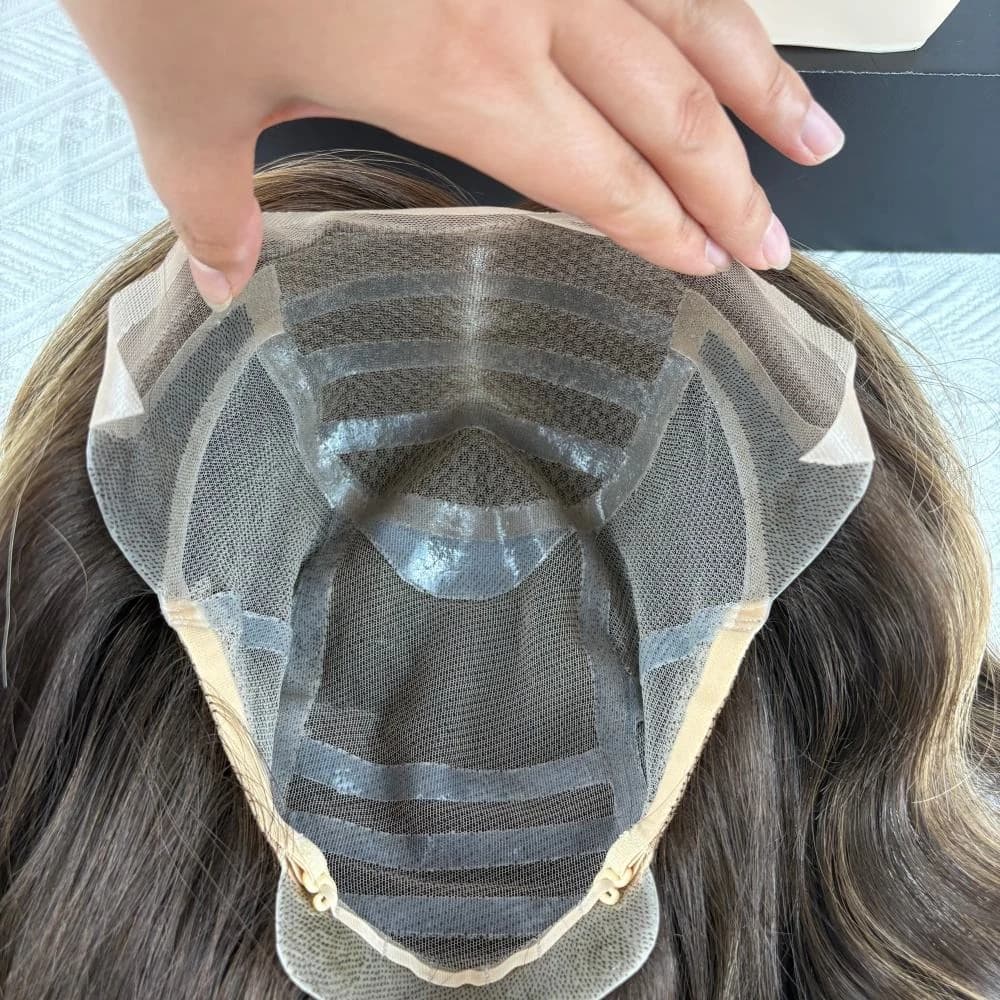
4. Understand cap construction and attachment separately
What common construction terms mean
| Term | What it describes | Beginner buying question |
|---|---|---|
| Wefted cap or back | Rows of hair attached to the cap | How does it fit, and what styling keeps the construction covered? |
| Lace front | A lace area at the front hairline | Is the lace already trimmed, and what preparation is required? |
| Monofilament part or top | A mesh area intended to give a scalp-like parting appearance | Where can I part the hair on this exact design? |
| Hand-tied area | Hair individually attached in that portion of the cap | Which areas are hand tied, and how should they be handled? |
| Full lace | Lace extending across the cap construction | What support, preparation and styling does this particular cap require? |
These features can be combined. A lace-front wig can also have a monofilament top and a wefted back. Jon Renau's cap and fiber guide illustrates different combinations, while its monofilament explanation describes the parting function. Ask for an interior image and a marked parting area rather than relying on the product name alone.
Glueless and ready to wear need specific answers
Glueless usually describes wearing the design without adhesive under its intended fitting conditions. Confirm the actual security method, such as adjustment components, a suitable band or other approved fittings. Do not assume that clips are appropriate for every wearer or that a glueless label guarantees a secure fit.
Ready to wear also varies between sellers. Ask whether it means a finished cut and supplied style, pre-trimmed lace, a prepared hairline, or simply a complete wig rather than an unfinished piece. These answers determine what assistance and budget you still need.
5. Choose manageable length, fullness and color
Select the hairstyle you want to maintain, not just the photograph you like most. Longer lengths may need more detangling and create more contact with clothing. A shorter style can be convenient, but its cut and hairline still need to suit the wearer and intended appearance.
Compare density visually at the front, part, crown and lengths. A percentage is a supplier specification, not a standardized description of how every wig will look. Strand thickness, curl, length and cap construction also affect perceived fullness. Our low-density wig guide explains why less hair is not automatically the right answer for every coverage need.
Request shade references in consistent lighting, including the root, middle and ends. Rooted color and highlights create a different appearance from an even all-over shade. Check the approved swatch or sample rather than expecting two screens to display the same color.
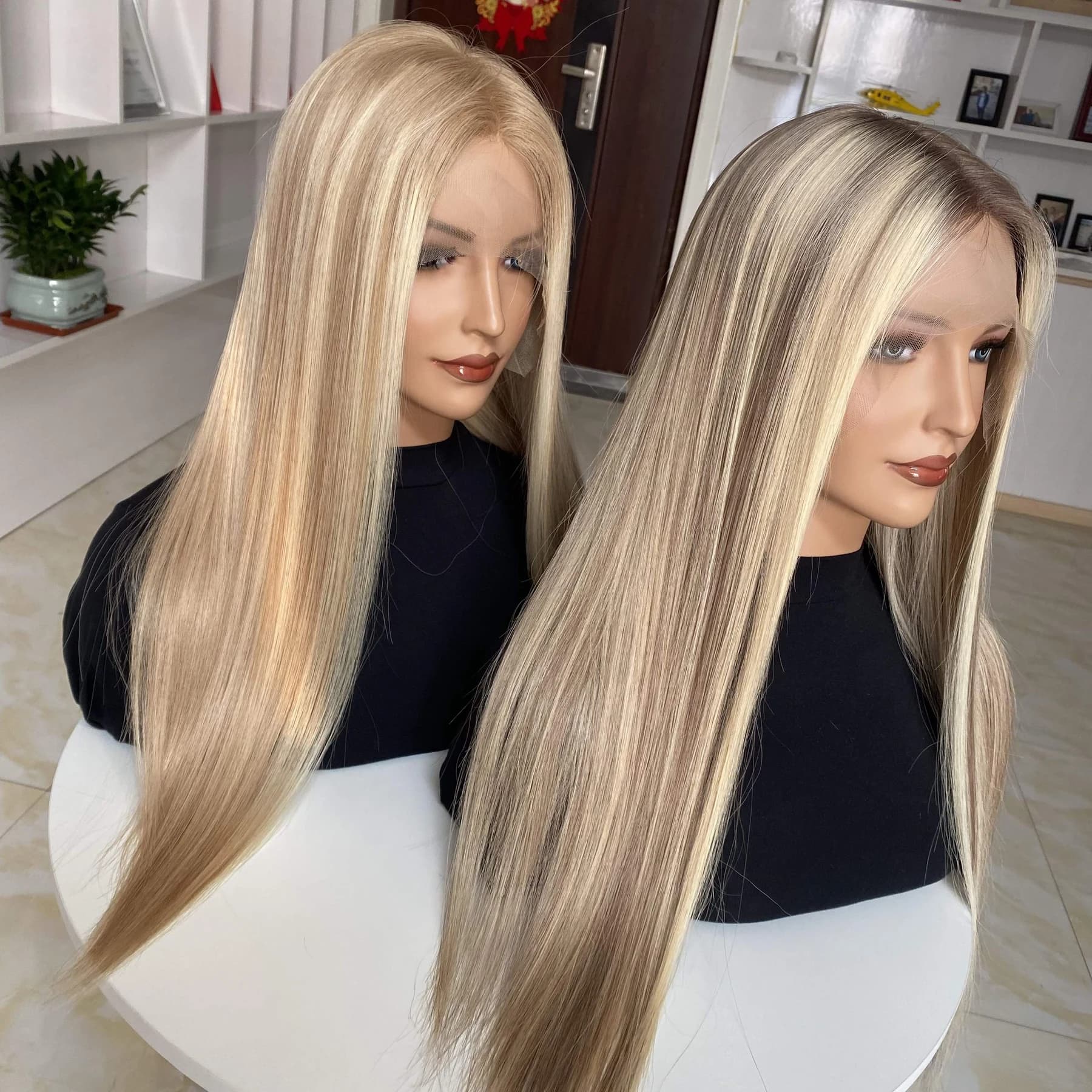
6. Compare the complete purchase, not just the wig price
Ask for a breakdown covering the wig, any fitting or trimming, suitable care products, essential accessories, delivery and ongoing professional services. A cheaper unit that needs substantial preparation may create a different total cost from a finished design with local fitting support.
Confirm what you are allowed to do during a return assessment: trying it on, removing tags, trimming lace, washing, using adhesive or altering the cut. Do not assume a custom order has the same return conditions as a stock item. Ask how defects, fit concerns and shade disagreements are handled.
For a practical shortlist, keep two or three candidates and compare the same information for each. Save the listing, specification, care instructions and seller's answers. A missing answer about fit or preparation is a reason to clarify the order before payment.
7. Inspect the delivery before changing anything
Open the package carefully and retain the labels and packaging. Compare the delivered model, shade, length, cap construction and included items with the order. Photograph the front, parting and cap interior before cutting, bonding or restyling.
Check visible seams and fittings, the condition of the lace and whether the care information matches the fiber. If something appears different or damaged, contact the seller before attempting a correction. Initial inspection and a later care test are separate steps; confirm the applicable return and testing conditions before washing.
For example, imagine receiving a wig with untrimmed front lace after expecting a fully prepared hairline. The useful first step is to compare the agreed preparation with the delivered piece. Cutting it immediately could remove evidence and complicate the discussion. This is an illustrative scenario, not a reported customer case.
8. Plan a calm first fitting
Prepare the foundation and check security
Follow the supplier's installation preparation instructions. Arrange existing hair evenly and use only the liner or grip appropriate to the fit. Position the cap as directed, then check the front, sides and nape before refining the hairstyle.
Practice putting it on and taking it off with the fitter's guidance. Once positioned, gently turn your head and check whether it remains stable during ordinary movement. Persistent slipping or pressure needs assessment; more tension, clips or adhesive are not automatic solutions.
Refine appearance after the fit is established
Check the parting, front and overall shape in normal room light and near daylight. Avoid judging only a close-up phone image. Our guide to making a wig look natural provides a step-by-step sequence for fit, hairline, parting, density and color.
Do not copy a lace-cutting, plucking or knot-bleaching tutorial before confirming that it applies to your construction. A qualified fitter can assess what is already prepared and what adjustment, if any, is appropriate. Practice at home before an important event; Macmillan also suggests familiar surroundings when getting used to a first wig.
9. Learn the care routine before the first wash
Ask the seller to demonstrate detangling, washing, drying and storage for the chosen fiber and cap. Have the necessary products ready rather than substituting household treatments. Keep the care sheet with the order details.
For human hair, Jon Renau's care guidance explains gentle directional washing and avoiding conditioner on the base because it can weaken knots. Use the selected product's instructions for the actual routine, including heat limits and drying. Synthetic and blended fibers need their own guidance.
Inspect the nape, front and fittings during care. Record recurring problems and discuss them before further alteration. For replacement planning, our human hair wig lifespan guide separates hair condition, cap wear and maintenance needs; it does not assign one guaranteed lifespan to every wig.
What salons and brands should confirm for beginner ranges
Translate customer requirements into an approval brief: measurements, coverage, fiber, parting, density distribution, shade, attachment, supplied preparation and aftercare. Specify whether staff or the wearer will complete each fitting step. Product application should be clear enough for a new customer to understand.
WinningWigs' HD Lace Top Wig, Invisible Hairline Wig and Custom Wig program are references for a professional sourcing discussion. The listed wig minimum is one piece per color and length combination; confirm the exact sample specification and quote. The photographs here do not identify particular catalog models.
Our published quality process covers visible condition, combing performance, curl consistency and color comparison. If additional factory testing is requested, agree the method and sample records in advance. Those checks should not be described as proof that every beginner will find the wig comfortable or easy to wear.
For shipment inspection, compare the goods with the approved sample and order, including labels, accessories and care instructions. Keep a clear first-use handover so the wearer knows what arrives finished and what still requires fitting.
FAQ
What type of wig is easiest for a beginner?
A well-fitting wig with a manageable supplied style, clear attachment instructions and accessible aftercare is a useful starting point. Synthetic may suit someone seeking less restyling; human hair may suit someone comfortable with its care workload. The easiest choice depends on the actual product and wearer.
Do beginners need glue?
No, not every wig requires adhesive. Some designs are intended for glueless wear when correctly fitted. Others have specific bonding requirements. Confirm the security method and have suitability assessed instead of adding glue because a tutorial uses it.
Is a lace-front wig suitable for a first purchase?
It can be, provided the fit and preparation are understood. Ask whether the lace is trimmed and what fitting remains. A front that needs customization may call for professional help; a lace-front label alone does not establish difficulty or suitability.
Do I need a wig cap or liner underneath?
It depends on existing hair, comfort, construction and the intended attachment. Ask the fitter to assess the wig with the proposed liner or grip in place. An extra layer can change the fit, so it should be part of the fitting discussion.
Can I change the part or use a ponytail?
Only within the styling options supported by the specific construction. A defined parting area is different from unrestricted parting. Ask to see the intended hairstyle on the selected cap before assuming it supports a high ponytail or another exposed-base style.
How much should I spend on my first wig?
There is no universal beginner budget. Compare the delivered wig, required preparation, fitting support and care costs. Set aside what the actual routine requires rather than spending the entire budget on the unit and discovering necessary services afterward.
Should I customize a wig as soon as it arrives?
Inspect the delivery, confirm return conditions and establish the fit first. Cutting lace or hair, changing color and applying adhesive may affect return options. Ask the seller or fitter to resolve uncertainty before making an irreversible change.
Conclusion
Choosing wigs for beginners becomes easier when the decisions are separated: use, fiber, measurements, cap construction, security, style and support. Approve those details before buying, then inspect the delivery and practice the fitting before making further changes.
For first-time wearers, a manageable routine and reliable fitting help matter as much as the initial appearance. For salons and brands, clear specifications, sample review and an understandable handover create a stronger foundation for a beginner-focused range.
LET'S TALK ABOUT YOUR PROGRAM
Ready to turn product questions into a clearer brief?
Share your target customer, product category and requirements. Our team will help structure the next sample or quotation conversation.